
Nepal Itinerary During Gai Jatra: 8 Days
Highlights of the Journey
- Experience the vibrant Gai Jatra celebrations in Kathmandu Durbar Square and Bhaktapur Durbar Square
- Explore UNESCO World Heritage Sites including Pashupatinath Temple, Boudhanath Stupa, and Swayambhunath Stupa
- Enjoy breathtaking Himalayan sunrise and panoramic mountain views from Nagarkot
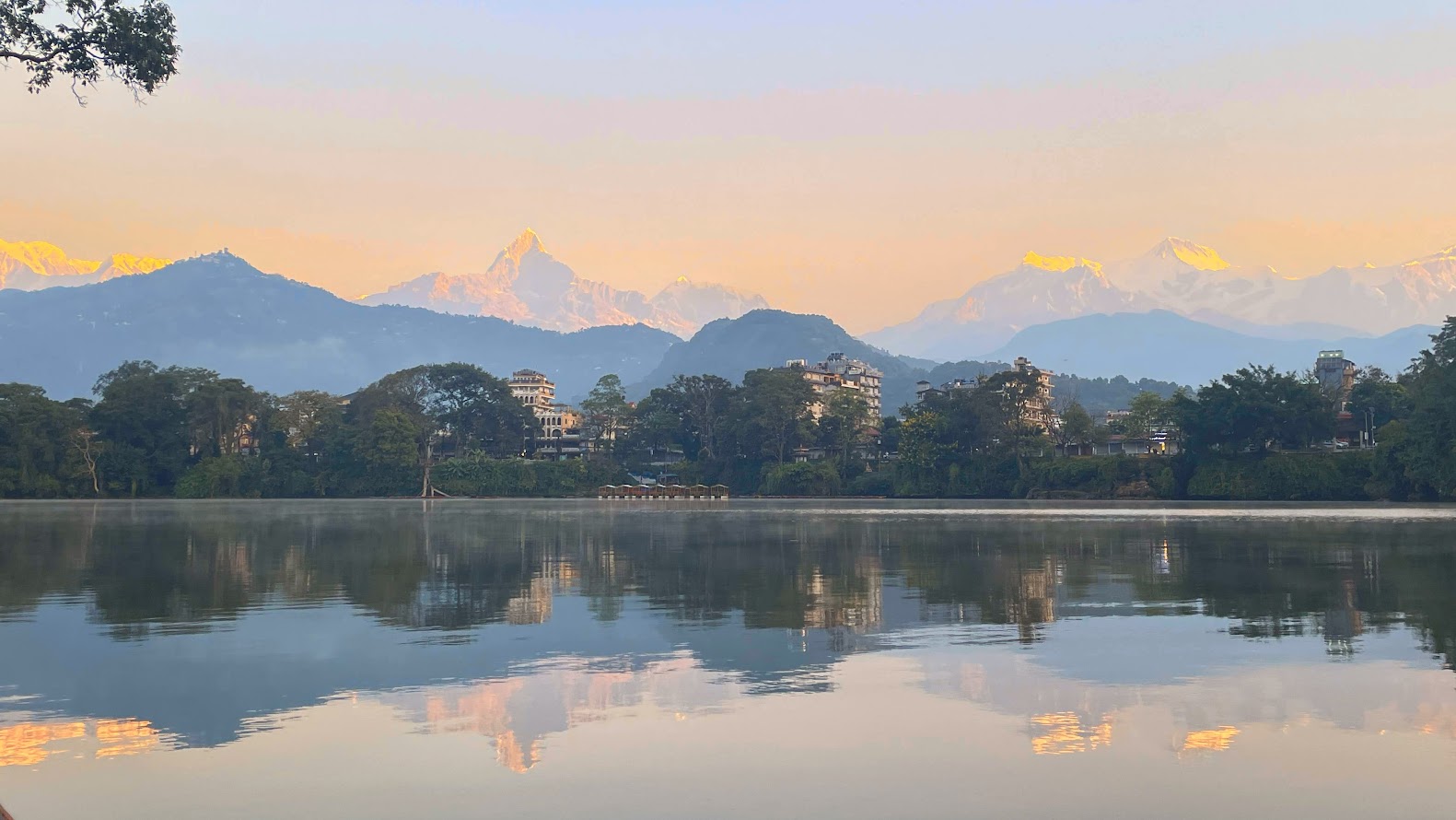
- Go boating on the scenic Phewa Lake and visit the island Tal Barahi Temple in Pokhara
- Witness stunning sunrise views of the Annapurna range from Sarangkot
- Discover Pokhara’s natural attractions including Devi’s Fall, Gupteshwor Mahadev Cave, and World Peace Pagoda
- Optional adventure activities such as paragliding from Sarangkot
Explore local markets, restaurants, and nightlife in Thamel
Overview of Nepal Itinerary During Gai Jatra: 8 Days
This 8-day cultural and scenic journey through Nepal offers a unique opportunity to experience the vibrant traditions of Gai Jatra while exploring the rich heritage and natural beauty of the Kathmandu Valley and the serene landscapes of Pokhara.
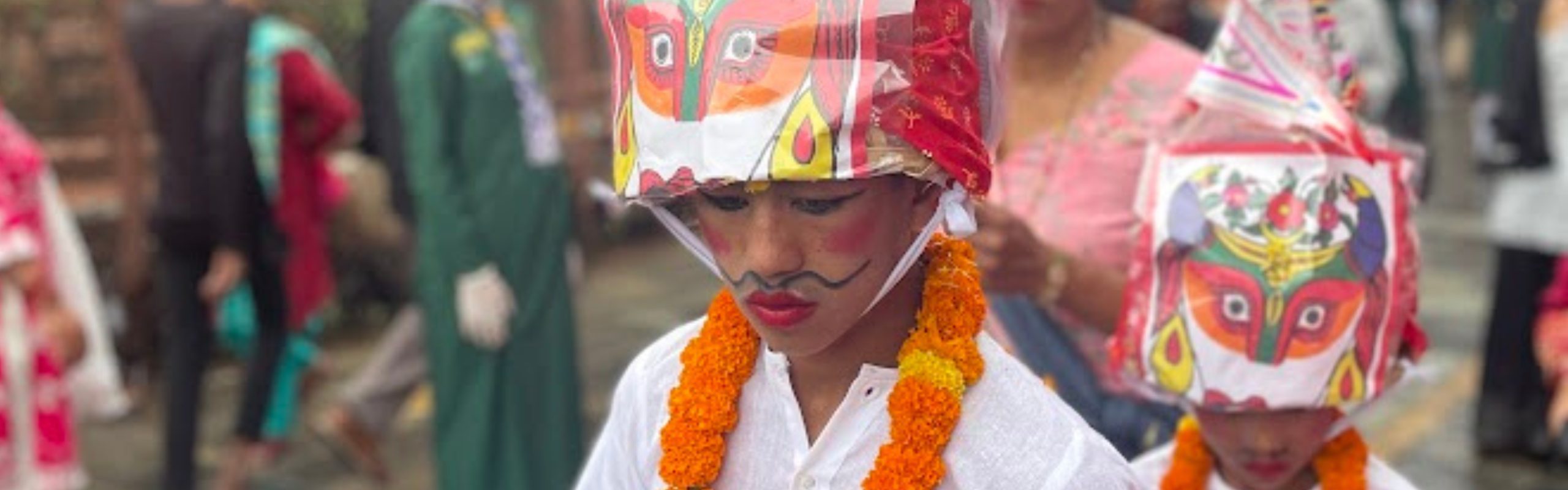
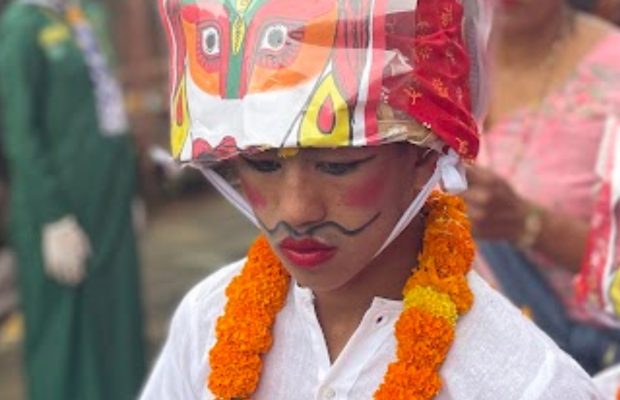
The trip begins in Kathmandu with visits to iconic UNESCO World Heritage Sites such as Pashupatinath Temple, Boudhanath Stupa, and Swayambhunath Stupa. Travelers will witness the lively Gai Jatra celebrations at Kathmandu Durbar Square and Bhaktapur Durbar Square, where traditional processions, humor, and cultural performances bring the streets to life.
The journey continues to Nagarkot for breathtaking Himalayan sunrise views before heading to the picturesque city of Pokhara. Surrounded by mountains and tranquil lakes, Pokhara offers relaxing boat rides on Phewa Lake, panoramic sunrise views from Sarangkot, and visits to natural attractions such as Devi’s Fall and Gupteshwor Mahadev Cave.
Combining vibrant festivals, cultural heritage, mountain vistas, and peaceful lakeside experiences, this itinerary provides a well-balanced introduction to Nepal’s traditions, landscapes, and warm hospitality.
Brief Itinerary
- Day 1:Arrival in Kathmandu – Explore Thamel and visit Swayambhunath Stupa
- Day 2:Kathmandu sightseeing – Visit Pashupatinath Temple and Boudhanath Stupa
- Day 3:Experience Gai Jatra celebrations at Kathmandu Durbar Square and Bhaktapur Durbar Square
- Day 4:Sunrise trip to Nagarkot and enjoy Himalayan views
- Day 5:Fly to Pokhara – Boating on Phewa Lake and visit Tal Barahi Temple
- Day 6:Pokhara sightseeing – Sunrise at Sarangkot, visit Devi’s Fall and Gupteshwor Mahadev Cave
- Day 7:Leisure day in Pokhara – Optional adventure activities and lakeside exploration
- Day 8:Return to Kathmandu and departure
Itinerary of Nepal Itinerary During Gai Jatra: 8 Days
Day 1 – Arrival in Kathmandu
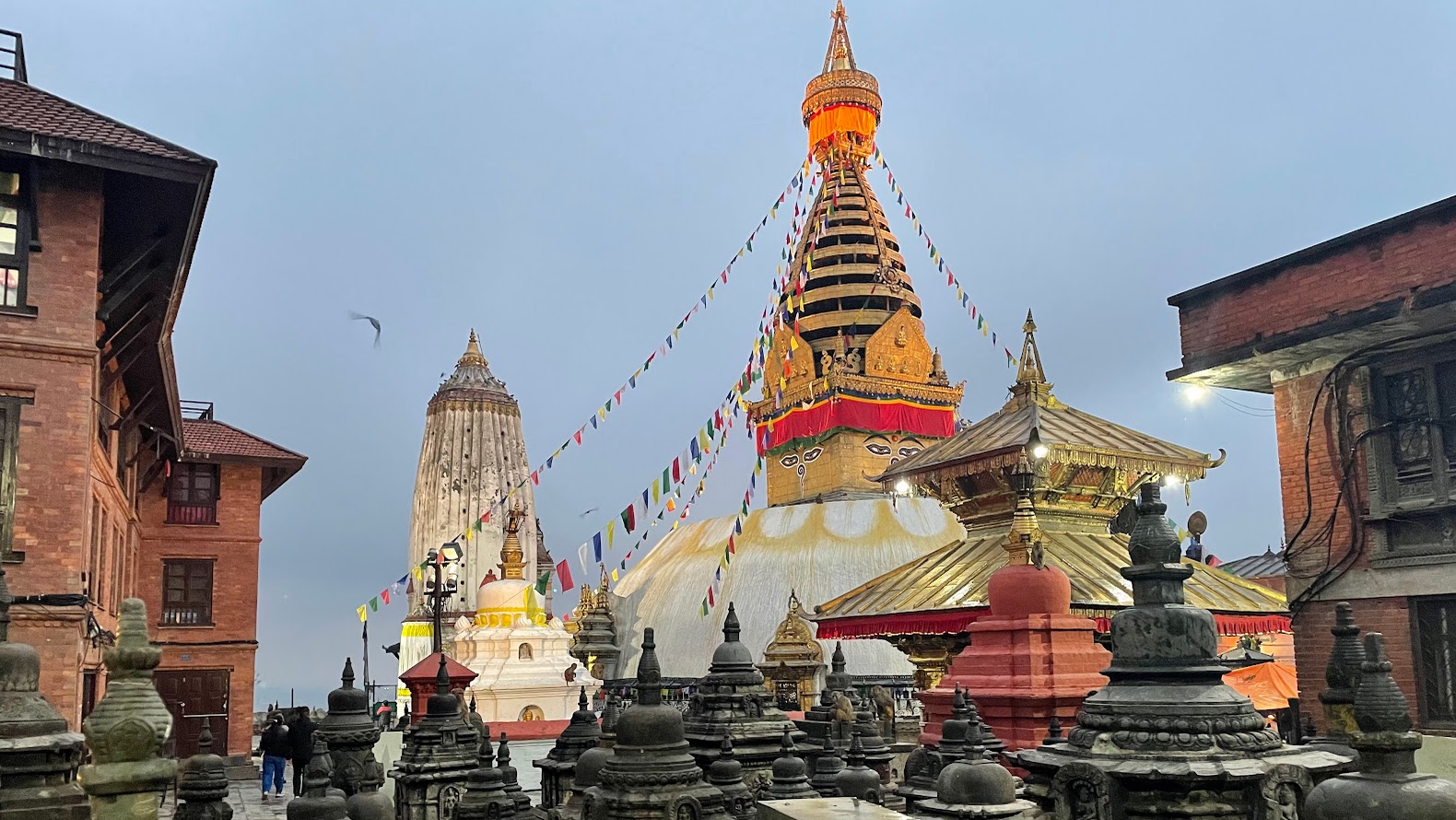
Upon your arrival at Kathmandu’s Tribhuvan International Airport, you will be greeted and transferred to your hotel. After settling in, take some time to relax and absorb the city’s energy. In the evening, stroll through Thamel, a lively neighborhood filled with shops, restaurants, and cafes offering local crafts and souvenirs. Conclude the day with a visit to Swayambhunath Stupa (Monkey Temple), perched atop a hill offering sweeping views of the Kathmandu Valley, where the golden stupa glows at sunset and the surrounding chants create a serene atmosphere, making it the perfect introduction to Nepalese culture.
Day 2 – Kathmandu Sightseeing:
Begin the day exploring the spiritual and historical heritage of Kathmandu. Visit the sacred Pashupatinath Temple, a UNESCO World Heritage Site and one of the holiest Hindu temples, where you can observe devotees performing rituals along the Bagmati River. Continue to the magnificent Boudhanath Stupa, one of the largest Buddhist stupas in the world, surrounded by monasteries, prayer wheels, and the rhythmic chanting of monks. Spend the afternoon wandering through Kathmandu’s bustling markets, where you can shop for handicrafts, traditional textiles, and local artwork while soaking in the lively urban atmosphere, providing a well-rounded cultural introduction to the valley.
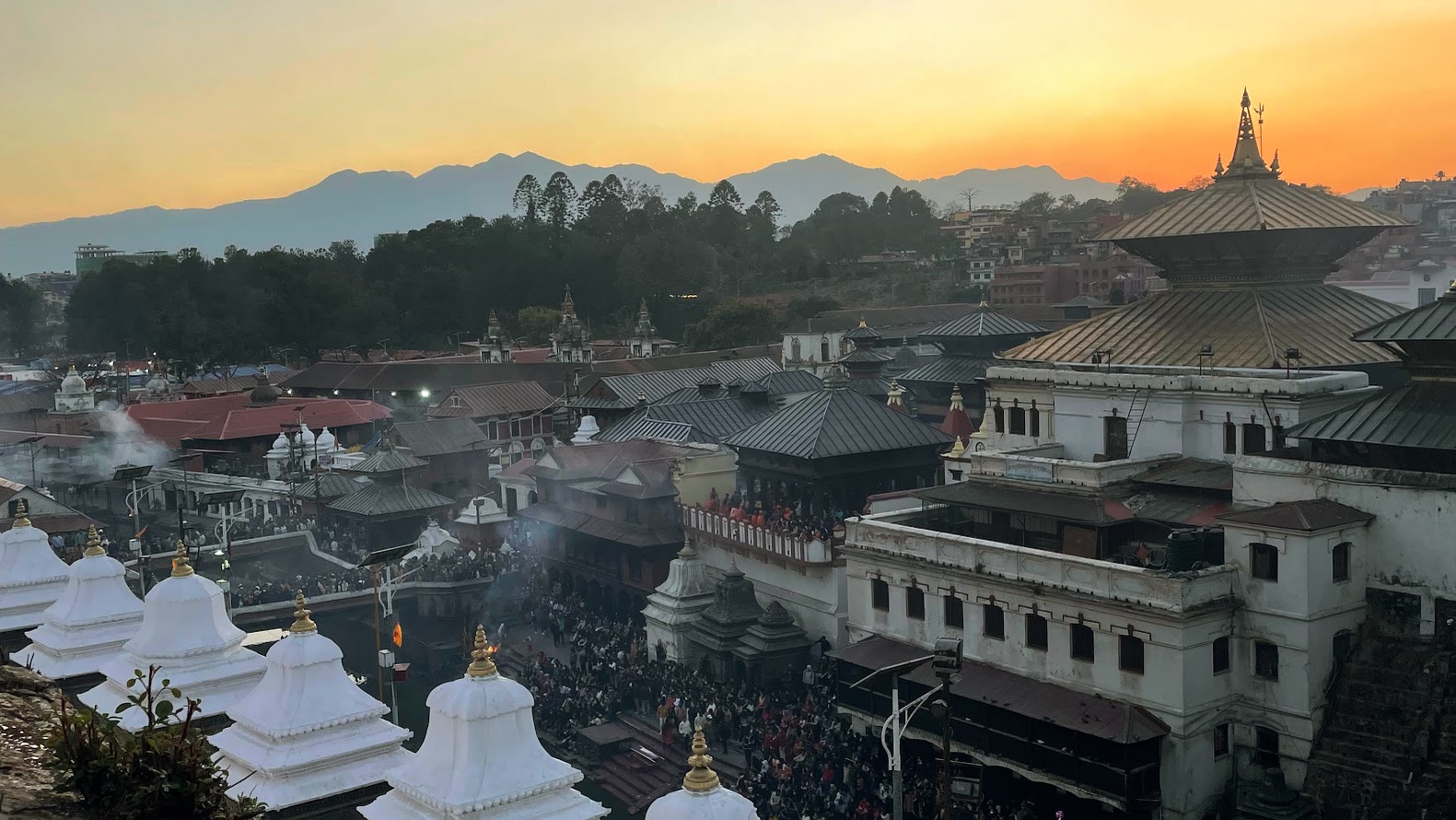
Day 3 – Gai Jatra in Kathmandu & Bhaktapur
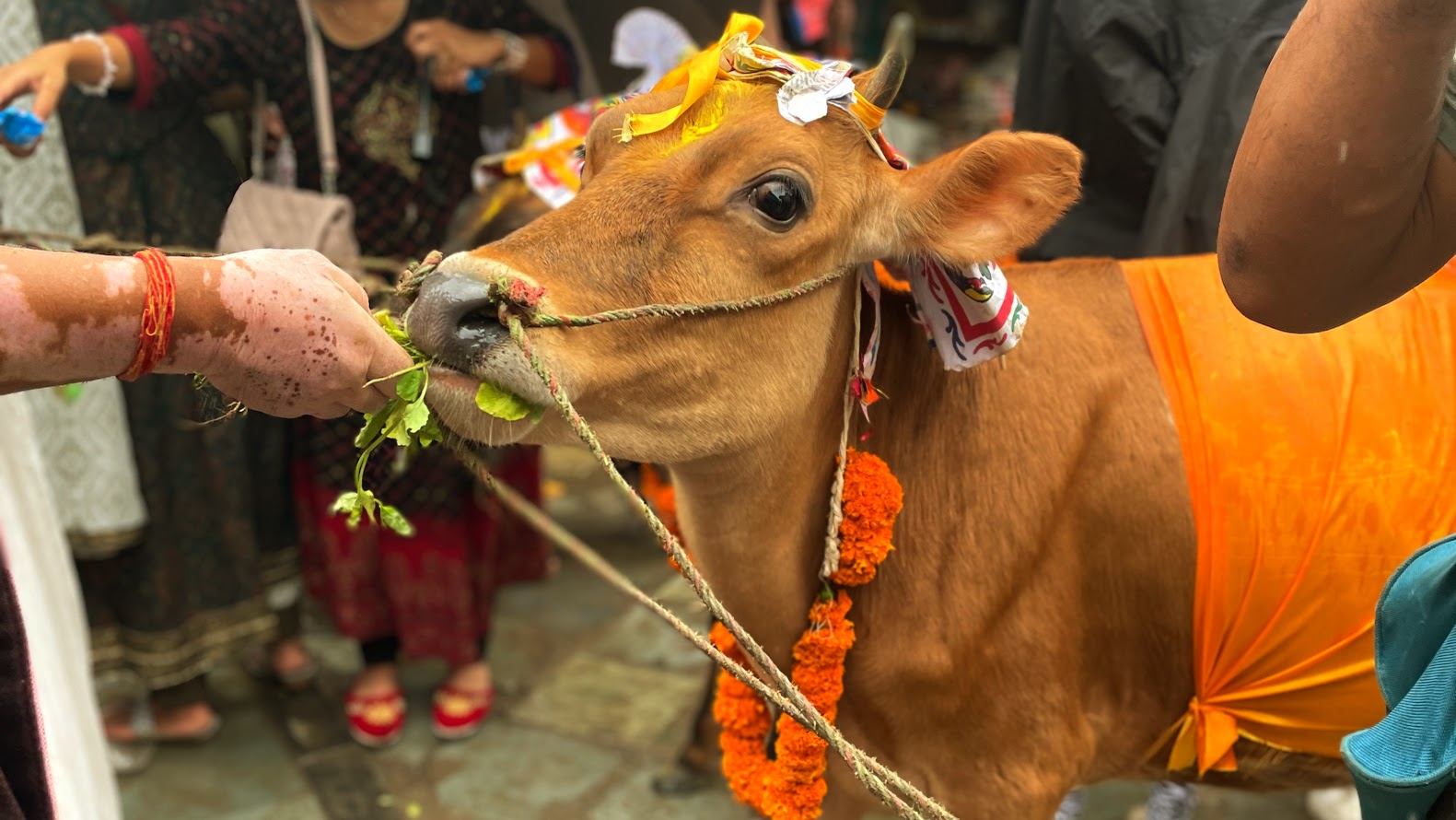
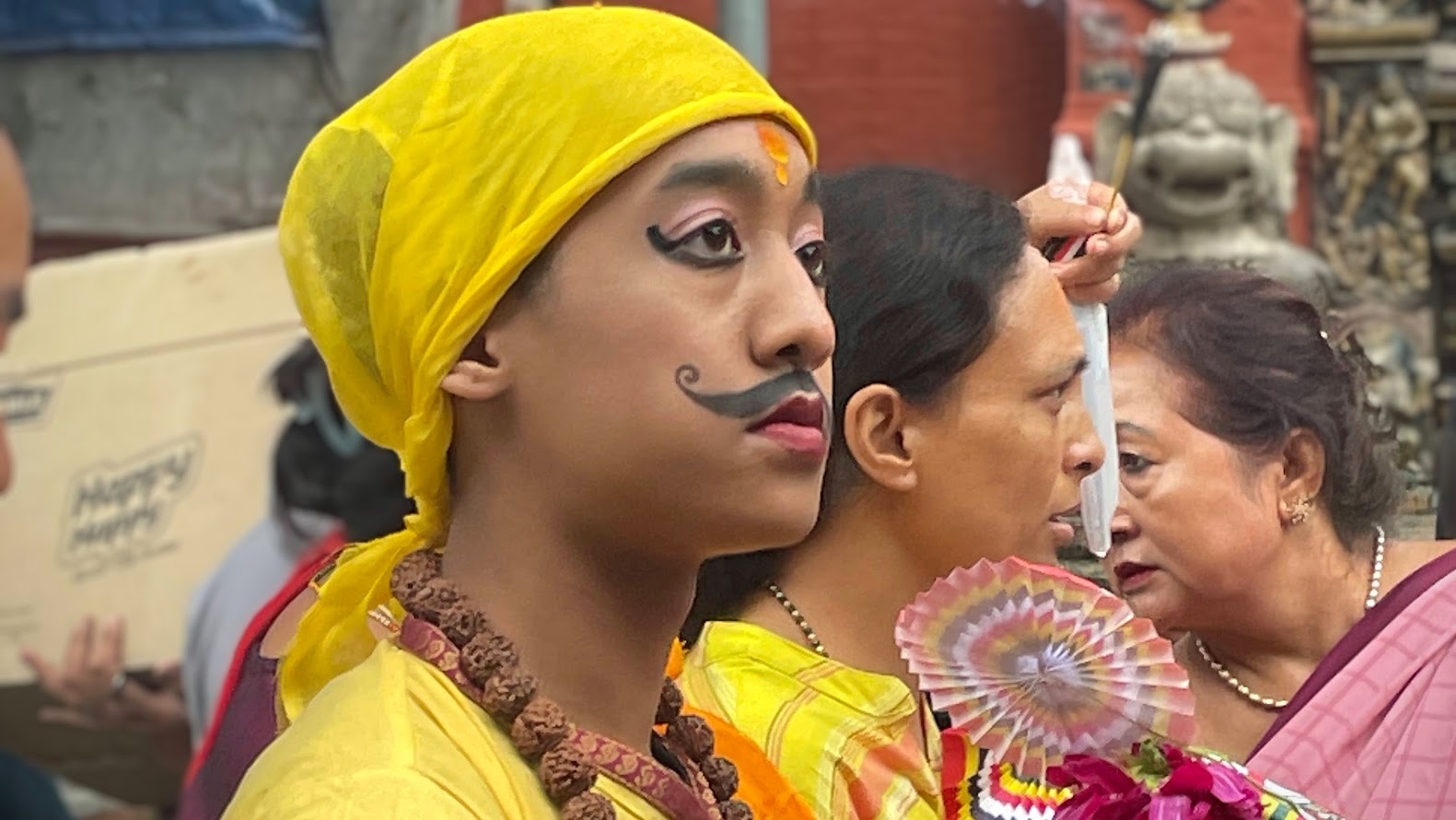
Experience the vibrant Gai Jatra celebrations starting in the morning at Kathmandu Durbar Square, where colorful cow processions, traditional masks, satirical performances, and street dances bring the historic square to life. In the afternoon, travel to Bhaktapur, a beautifully preserved medieval city. Explore the intricacies of Bhaktapur Durbar Square, including the towering Nyatapola Temple and the 55-Window Palace. Witness additional Gai Jatra festivities here, where locals dress in elaborate costumes and perform humorous skits, offering a unique glimpse into Newar culture and tradition. The cobbled streets, centuries-old architecture, and festive energy make Bhaktapur a highlight of your cultural journey.
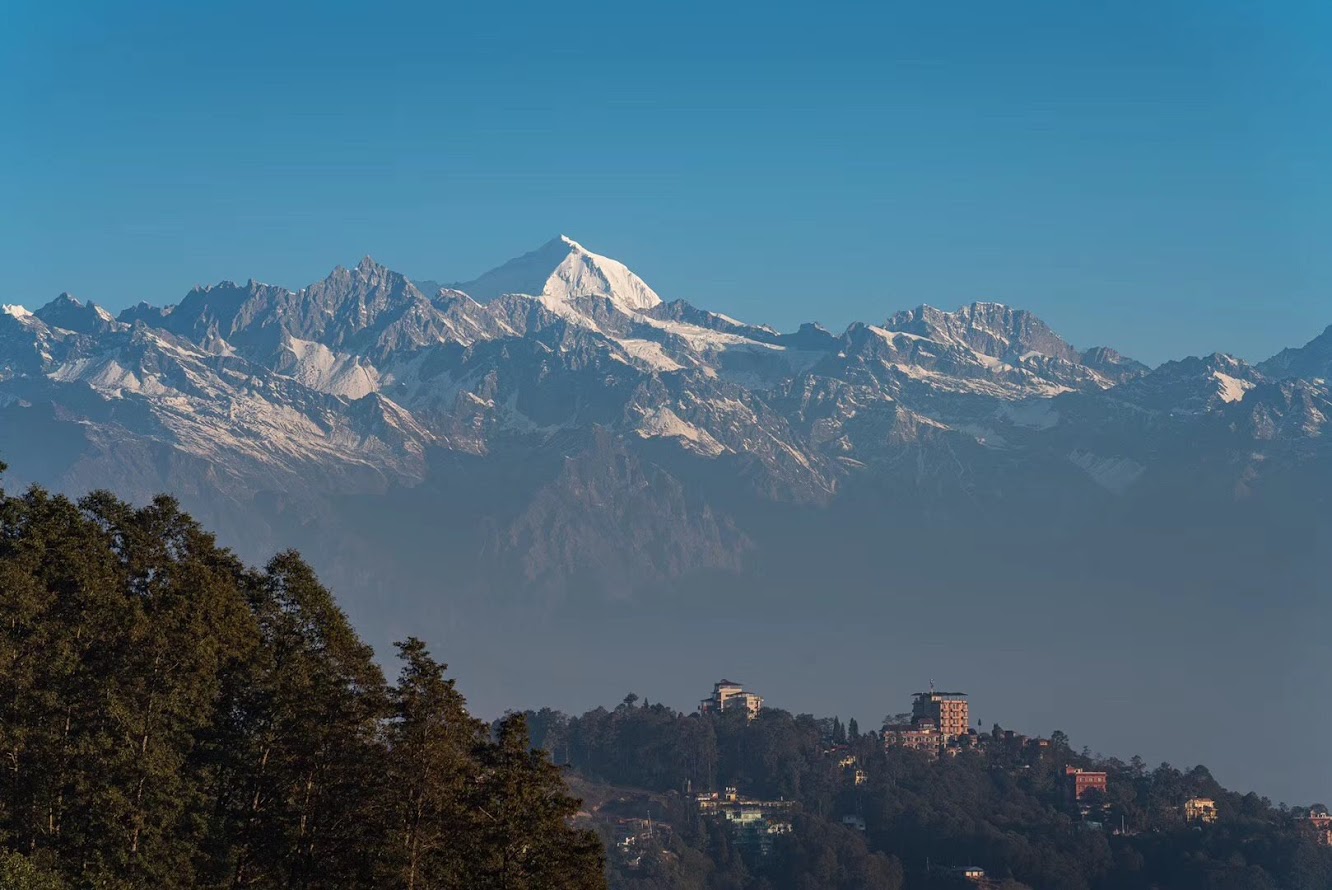
Day 4 – Nagarkot Sunrise & Mountain Views
Depart early in the morning for Nagarkot, a scenic hilltop location famous for its Himalayan panoramas. Arrive in time for sunrise, when the first rays illuminate the snow-capped peaks of the Himalayas, including distant views of the Annapurna and Langtang ranges. Spend the morning soaking in the serene environment, taking photographs, and exploring nearby trails. This day offers a tranquil contrast to the bustling festival celebrations, allowing you to connect with nature and enjoy Nepal’s majestic mountain landscapes. In the afternoon, relax and enjoy local refreshments before heading back to your hotel.
Day 5 – Travel to Pokhara & Phewa Lake
After breakfast, take a scenic flight or drive to Pokhara, known as the gateway to the Annapurna region. Upon arrival, settle into your hotel and prepare for an afternoon of relaxation and sightseeing. Enjoy a boat ride on the serene Phewa Lake, gliding past the reflection of the surrounding hills and mountains. Visit Tal Barahi Temple, a small two-story pagoda situated on an island in the lake, and spend the evening strolling along the lakeside, enjoying local cafes, and taking in the peaceful ambiance that makes Pokhara a favorite among travelers.

Day 6 – Pokhara Sightseeing & Sarangkot Sunrise
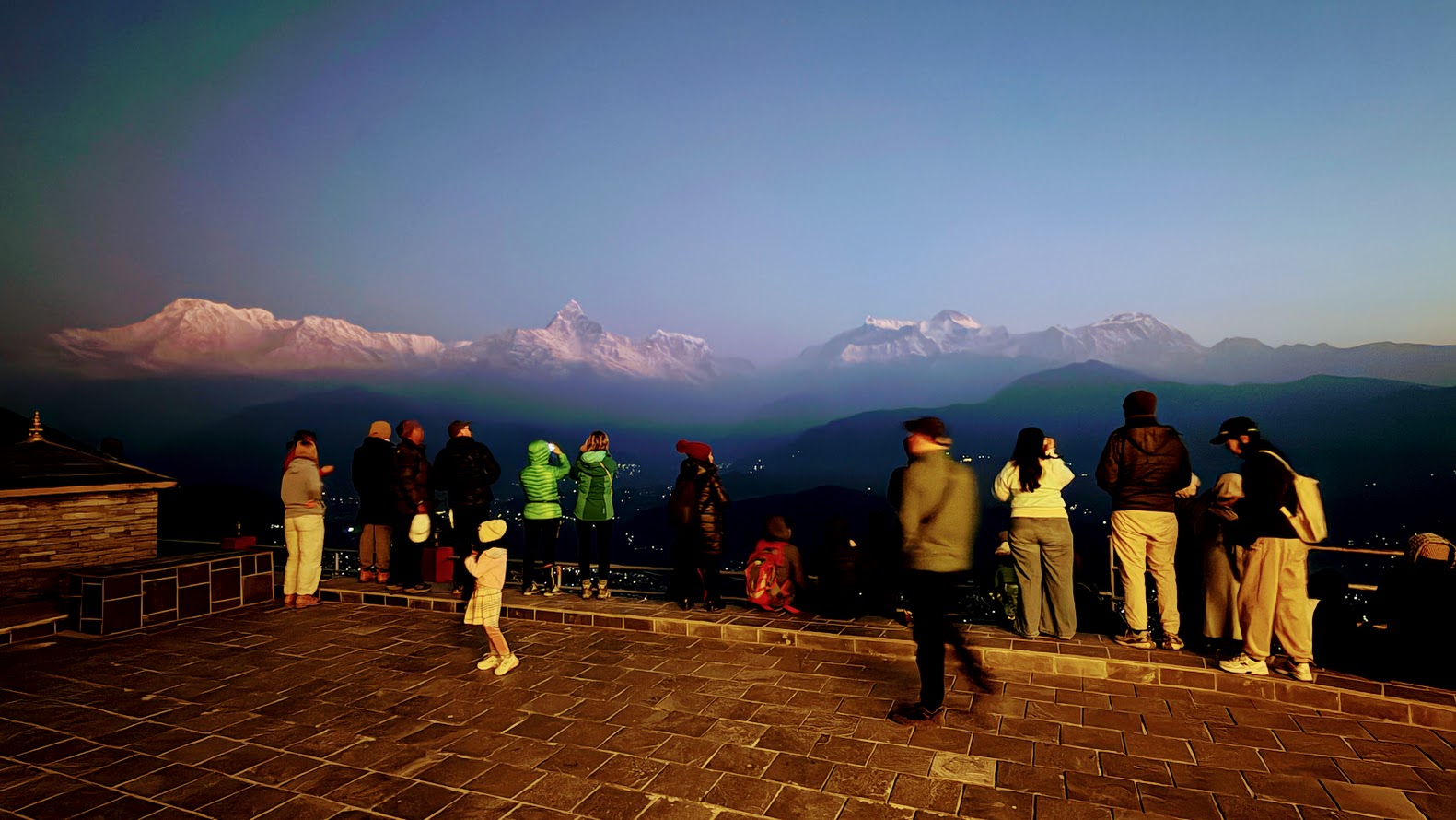
Begin the day early with a short drive to Sarangkot, a hilltop viewpoint ideal for watching the sunrise over the Annapurna range and Pokhara Valley. Afterward, return to the city for visits to the dramatic Devi’s Fall, where water plunges into an underground tunnel, and the nearby Gupteshwor Mahadev Cave, housing a sacred Shiva shrine inside a large limestone cave. In the afternoon, explore the serene World Peace Pagoda, perched on a hill overlooking Phewa Lake and offering panoramic views. The combination of adventure, nature, and spiritual sites provides a full day of memorable experiences.
Day 7 – Leisure & Adventure in Pokhara
Enjoy a free day to experience Pokhara at your own pace. For adventure seekers, options include paragliding from Sarangkot for a bird’s-eye view of the valley, or hiking along scenic trails near the lake. Alternatively, you can relax at lakeside cafes, explore local markets, or simply enjoy the tranquil surroundings. This day allows you to recharge while soaking in the natural beauty, making it a perfect end to your Pokhara exploration.
Day 8 – Return to Kathmandu & Departure
On the final day, return to Kathmandu either by flight or road. Depending on your schedule, you can do some last-minute shopping for handicrafts or revisit favorite spots in Thamel. Finally, you will be transferred to the airport for your departure, concluding a memorable journey filled with vibrant festival celebrations, cultural exploration, and the breathtaking natural beauty of Nepal.
Frequently Asked Questions (FAQs)
Gai Jatra is a traditional festival celebrated in Kathmandu Valley, usually in August (following the lunar calendar). The exact date varies each year. During this time, streets come alive with cow processions, cultural performances, and traditional skits.
Yes, most international travelers require a tourist visa, which is available on arrival at Tribhuvan International Airport, Kathmandu, or in advance through Nepalese consulates. Carry passport-sized photos and sufficient cash for the visa fee.
The trip cost typically includes:
- Accommodation with daily breakfast
- Airport transfers and domestic transport (Kathmandu ↔ Pokhara)
- Guided sightseeing tours and entrance fees to monuments
- Festival guidance and entry to Gai Jatra celebrations
- Boat ride on Phewa Lake and visit to Tal Barahi Temple
- Professional English-speaking guide
- Local taxes and service charges
Exclusions usually cover:
- International airfare
- Lunch and dinner
- Personal expenses (shopping, tips, laundry)
- Optional activities like paragliding
- Travel insurance
- Any unmentioned services or expenses arising from delays or changes
- Comfortable, breathable clothes for sightseeing
- Warm layers for mornings/evenings in Nagarkot and Sarangkot
- Modest attire when visiting temples or religious sites
- Sturdy walking shoes for cobbled streets and light hikes
Tap water is generally not safe. Always drink bottled or filtered water, especially during festival crowds where hygiene may be compromised.
Yes, cards are accepted in hotels, cafes, and major shops, but it’s recommended to carry cash (Nepali Rupees) for street food, local markets, and small vendors, especially in Bhaktapur or remote areas.
The itinerary is moderate. It involves walking on cobbled streets, visiting heritage sites, and light sightseeing hikes. No heavy trekking is required, but a reasonable level of mobility is needed.
Travel insurance is highly recommended. It should cover medical emergencies, trip cancellations, lost baggage, and adventure activities if you plan optional activities like paragliding in Pokhara.
- Watch the cow processions and street performances from safe distances.
- Respect local customs and ask before taking photographs of locals.
- Wear comfortable shoes as streets can be crowded and uneven.
- Carry water, snacks, and a small backpack for essentials.
- Autumn (September–November): Clear skies, pleasant weather, and trekking season.
- Spring (March–May): Blooming rhododendrons, moderate temperatures, and festival season.
- Avoid monsoon (June–August) for trekking, though festivals like Gai Jatra still take place.