
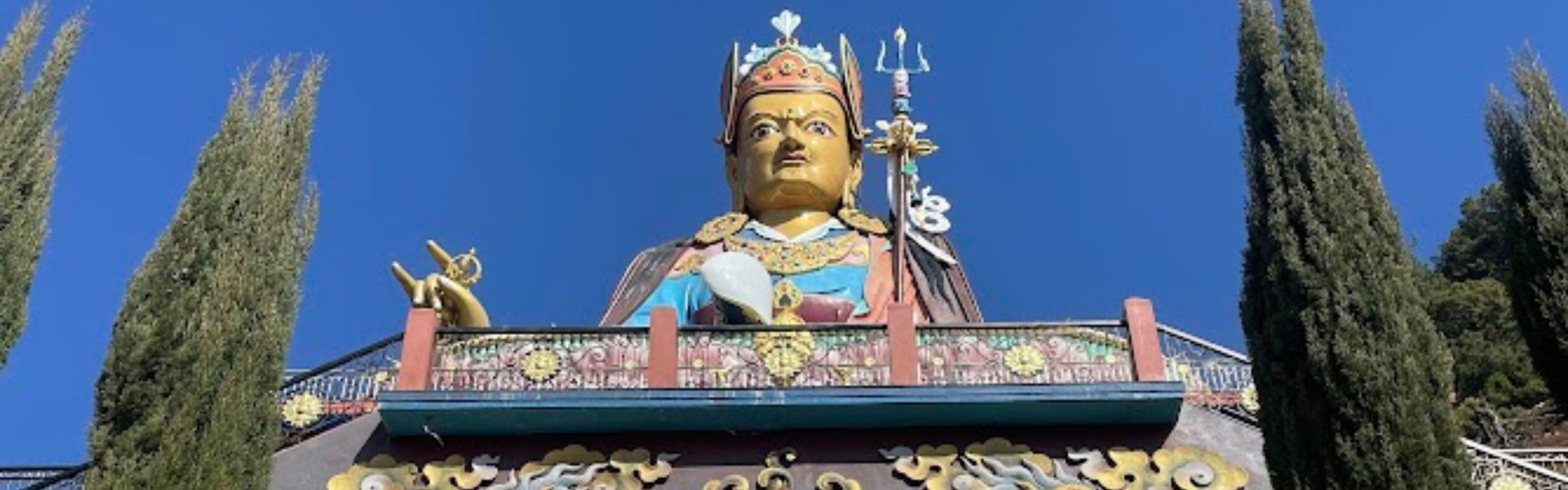
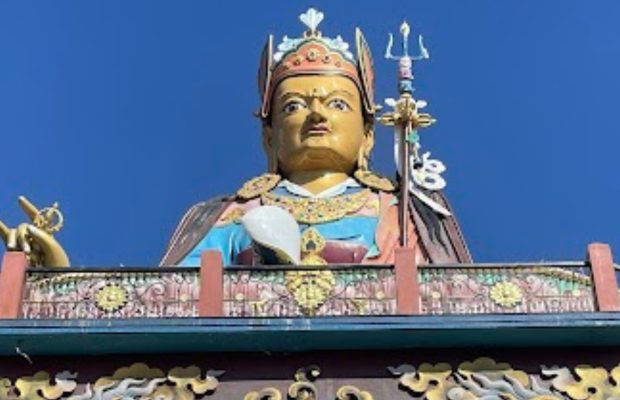
Guru Padmasambhava Pilgrimage-11 Days
11-Day Pilgrimage Highlights”
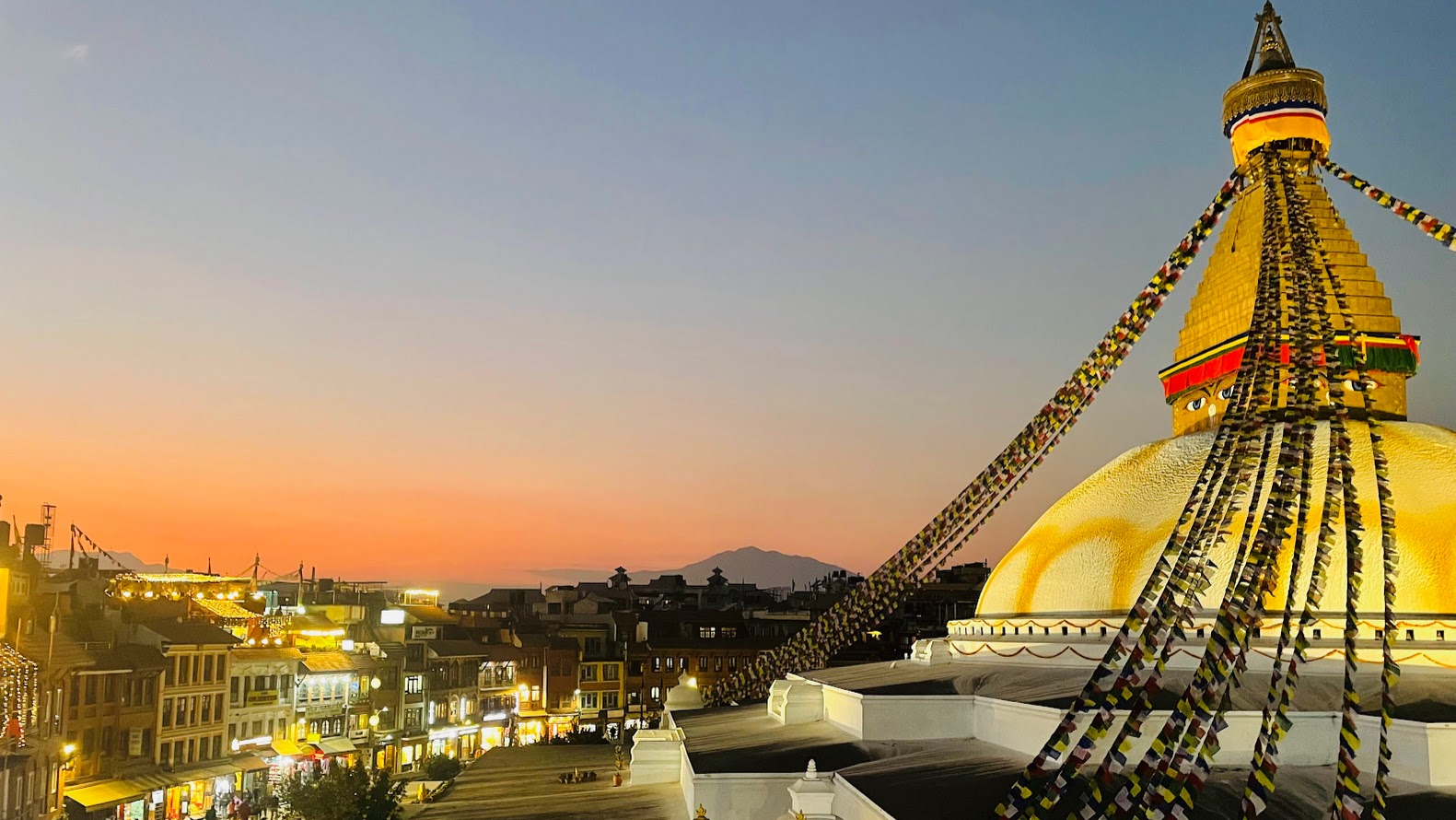
- Boudhanath Stupa: Evening kora and immersion in Tibetan Buddhist monasteries.
- Lumbini: Visit the sacred birthplace of Buddha and Maya Devi Temple.
- Lumbini: Explore the monastic zone and international Buddhist monasteries.
- Swayambhunath: Panoramic views and ancient Vajrayana stupa experience.
- Patan: Historic Durbar Square and traditional Newar Buddhist monasteries.
- Sankhu Vajrayogini: Tantric hilltop shrine associated with Vajrayogini practice.
- Pharping Caves: Meditation sites of Asura and Yanglesho where Guru Rinpoche attained realization.
- Travel to Halesi: Journey to sacred Maratika caves in eastern Nepal.
- Halesi-Maratika Caves: Explore Guru Rinpoche and Mandarava’s long-life realization site.
- Namo Buddha & Nagarkot: Sacred hillside monastery and panoramic Himalayan viewpoint.
- Kathmandu: Final prayers and reflection at Boudhanath before departure.
Overview of Guru Padmasambhava Pilgrimage-11 Days
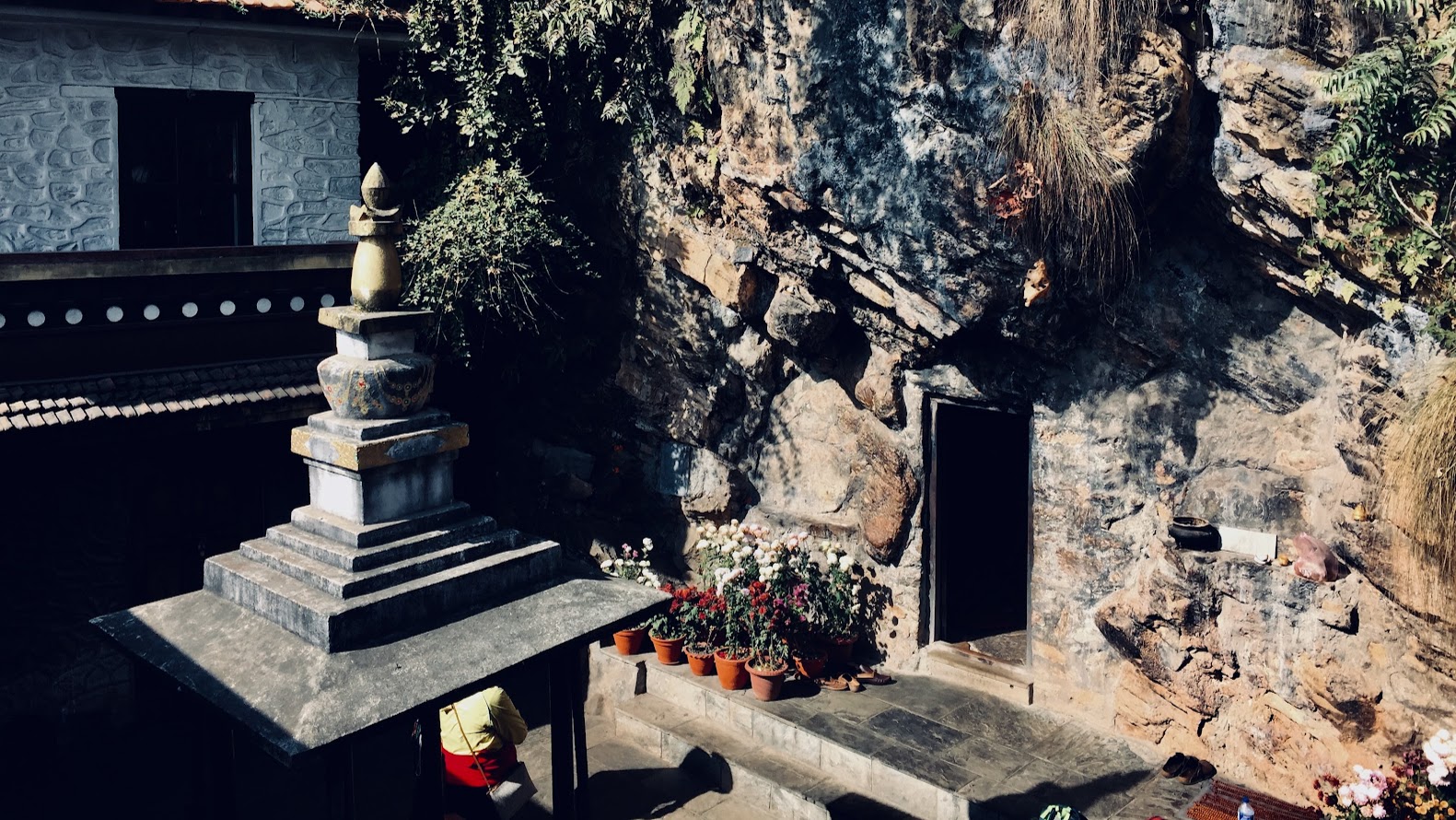
This 11-day pilgrimage in Nepal follows sacred sites connected with Guru Padmasambhava (Guru Rinpoche), the revered Buddhist master who helped establish Vajrayana Buddhism in the Himalayan region and Tibet. The journey combines spiritual practice, cultural exploration, and travel through some of Nepal’s most important Buddhist landscapes.
The pilgrimage begins in Kathmandu, the spiritual and cultural center of Nepal. Pilgrims visit major Buddhist heritage sites such as Boudhanath Stupa and Swayambhunath, where prayers, circumambulation, and meditation are performed. The journey then continues to Pharping, an important meditation site associated with Guru Rinpoche. Here, pilgrims visit sacred caves including Asura Cave and Yanglesho Cave, where Guru Padmasambhava is believed to have practiced deep meditation and attained spiritual realization.
From the Kathmandu Valley, the pilgrimage moves west to Pokhara, a scenic city surrounded by mountains and lakes. The journey then continues into the Himalayan region of Mustang, an ancient center of Tibetan Buddhist culture. Pilgrims visit the sacred Muktinath Temple, an important pilgrimage site for both Buddhists and Hindus. The itinerary also includes visits to traditional Himalayan settlements such as Kagbeni and the historic walled city of Lo Manthang in Upper Mustang, where ancient monasteries, caves, and local traditions preserve strong connections to Guru Rinpoche’s spiritual legacy.
Throughout the journey, pilgrims experience prayer ceremonies, meditation, monastery visits, and interactions with local Buddhist communities. The pilgrimage offers not only spiritual enrichment but also an opportunity to explore Nepal’s rich Himalayan culture, dramatic landscapes, and centuries-old Buddhist heritage.
In essence, this pilgrimage is a sacred journey through the life and legacy of Guru Padmasambhava, connecting devotees with important meditation sites and monasteries across Nepal while deepening their spiritual understanding and practice.
Brief Itinerary – 11 Days
Day 1 – Arrival Kathmandu: Arrival, transfer to Boudhanath, evening kora and prayers at the stupa.
Day 2 – Fly to Lumbini: Visit the sacred birthplace of Buddha and Maya Devi Temple.
Day 3 – Lumbini: Explore the monastic zone, Ashoka Pillar, and international monasteries.
Day 4 – Return Kathmandu / Swayambhunath: Visit the hilltop stupa and surrounding monasteries.
Day 5 – Patan: Explore Patan Durbar Square and traditional Newar Buddhist monasteries.
Day 6 – Sankhu Vajrayogini: Pilgrimage to the hilltop tantric temple associated with Vajrayogini and Guru Rinpoche.
Day 7 – Pharping: Visit Asura and Yanglesho Caves, sacred meditation sites of Guru Rinpoche.
Day 8 – Travel to Halesi: Journey to eastern Nepal to reach Halesi-Maratika Caves.
Day 9 – Halesi-Maratika Caves: Explore the caves where Guru Rinpoche and Mandarava attained long-life realization.
Day 10 – Namo Buddha & Nagarkot: Visit the sacred hillside monastery and enjoy panoramic Himalayan views.
Day 11 – Kathmandu & Departure: Return to Kathmandu, final prayers at Boudhanath, and transfer to the airport.
Itinerary of Guru Padmasambhava Pilgrimage-11 Days
Day 1 – Arrival in Kathmandu
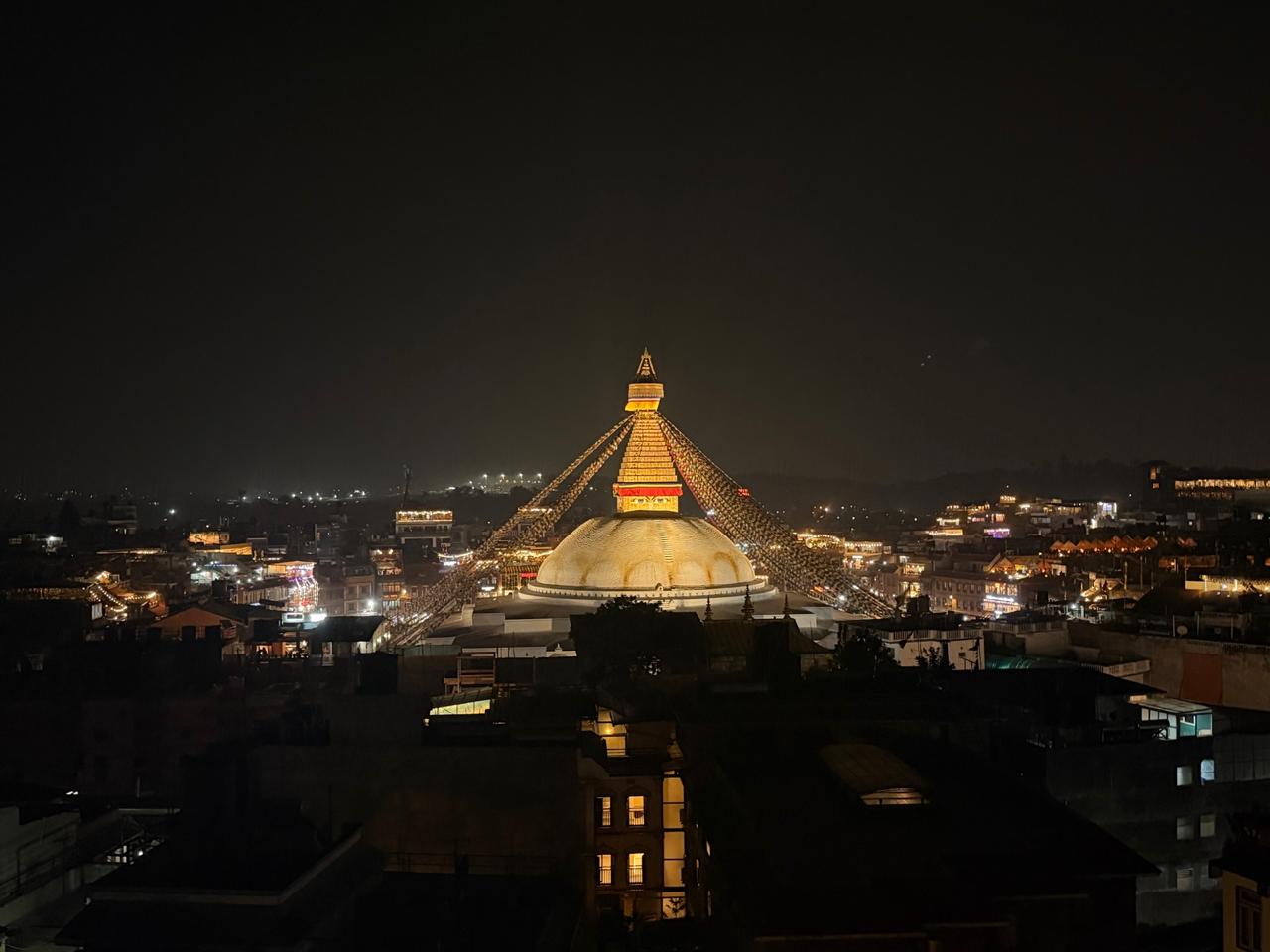
Arrive at Tribhuvan International Airport in Kathmandu and transfer to your hotel near Boudhanath Stupa. After settling in, begin your spiritual journey with an evening kora (circumambulation) around Boudhanath, one of the largest Tibetan Buddhist stupas in the world. Witness monks chanting, spinning prayer wheels, and performing rituals. Visit surrounding Tibetan monasteries and interact with resident monks to understand the Nyingma tradition and the living Vajrayana practices connected to Padmasambhava. Reflect on your intentions for the pilgrimage, and enjoy your first night in the spiritual heart of Kathmandu.
Day 2 – Fly to Lumbini
Take an early morning flight to Lumbini, the birthplace of Siddhartha Gautama (the Buddha). Begin your exploration at the Maya Devi Temple, the exact spot where Queen Maya Devi gave birth to the Buddha. Walk through the sacred garden and the Ashoka Pillar, which commemorates Emperor Ashoka’s visit and the propagation of Buddhism in the 3rd century BCE. Stroll along the monastic zone, where countries from around the world have built their own monasteries, each reflecting unique architectural and cultural styles. In the evening, attend meditation or chanting sessions to connect with the serene, contemplative atmosphere of Lumbini.
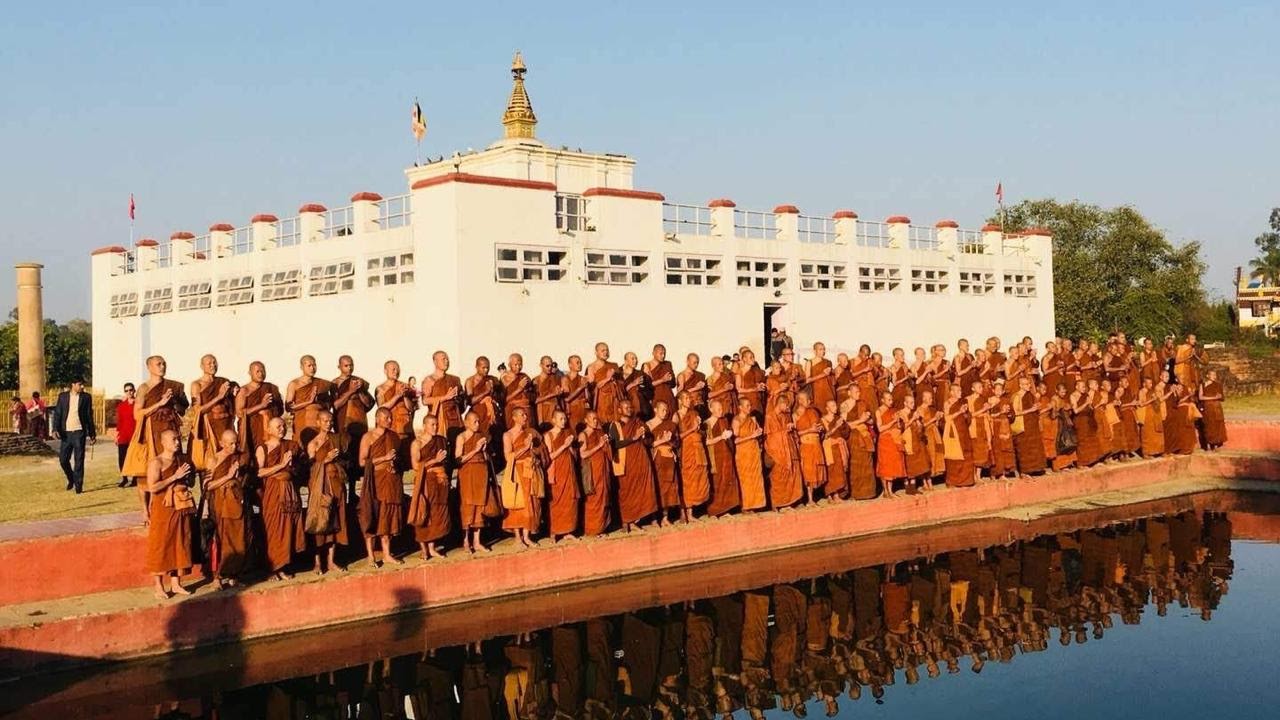
Day 3 – Lumbini: Tilaurakot, Kudan & Gotihawa
Day 3 – Lumbini: Tilaurakot, Kudan & Gotihawa
Spend a full day exploring important historical Buddhist sites in the Lumbini region:
- Tilaurakot – The ancient capital of the Shakya kingdom where Prince Siddhartha spent his early years. Walk among the ruins of palaces and stupas, imagining the environment in which the young prince grew and trained.
- Kudan – A sacred site associated with the early teachings of the Buddha, featuring ancient monastic remains and meditation spots.
- Gotihawa – This serene location is linked to the Buddha’s ancestral lineage, with stupas marking key events in early Buddhist history.
Engage in meditation, reflection, and photography in these tranquil settings. Return to Lumbini for overnight stay, enjoying the quiet spiritual ambiance of this UNESCO World Heritage site.
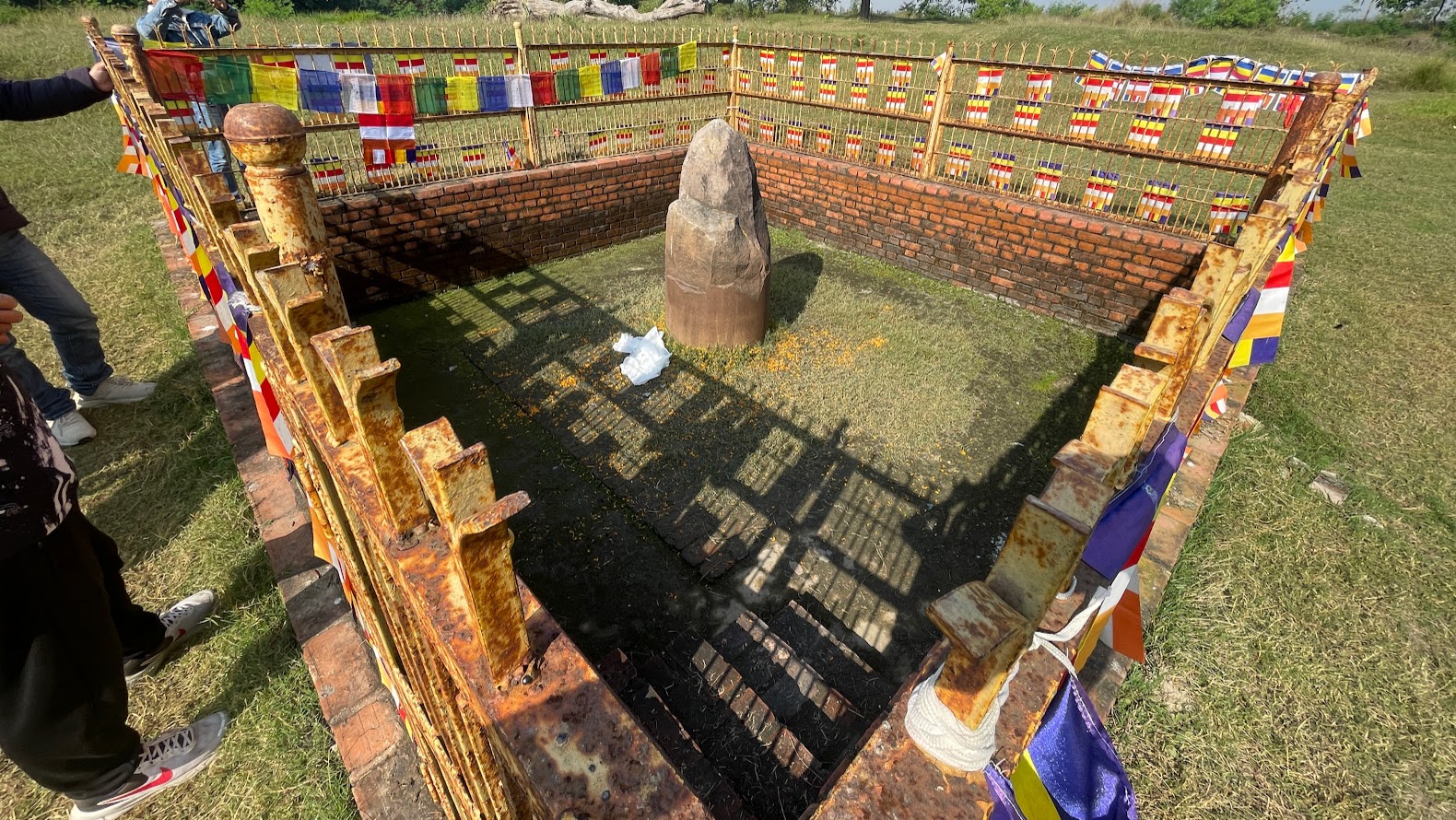
Day 4 – Return to Kathmandu & Swayambhunath
Fly back to Kathmandu and head to Swayambhunath, famously known as the “Monkey Temple.” Ascend the stone steps through lush greenery, encountering playful monkeys and colorful prayer flags fluttering in the breeze. Perform kora around the stupa, visiting ancient shrines and monasteries. From the hilltop, enjoy sweeping views of the Kathmandu Valley with its patchwork of rooftops, temples, and surrounding hills. This is a day to combine spiritual practice with cultural exploration, experiencing one of Nepal’s oldest and most revered Buddhist sites.
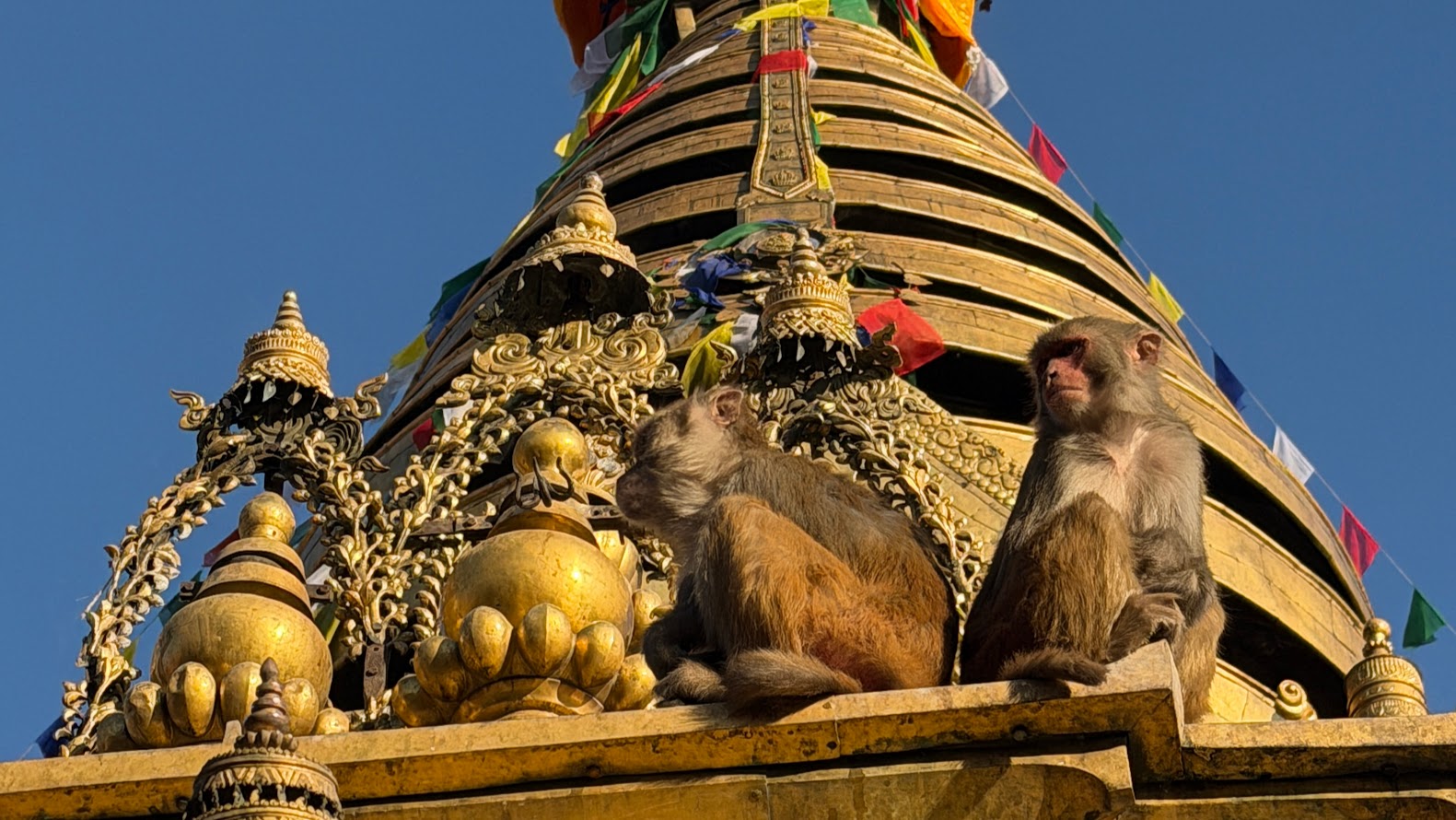
Day 5 – Patan Buddhist Heritage
Spend the day exploring Patan Durbar Square, a center of Newar Buddhist culture. Visit its centuries-old monasteries, courtyards, and shrines adorned with intricate carvings and statues. Learn about the historical development of Vajrayana Buddhism in the Kathmandu Valley and observe traditional rituals performed by local monks. Walk through the old city streets to see artisans crafting sacred objects, appreciating the living tradition of Newar Buddhist art and devotion. Return to Kathmandu for overnight stay.
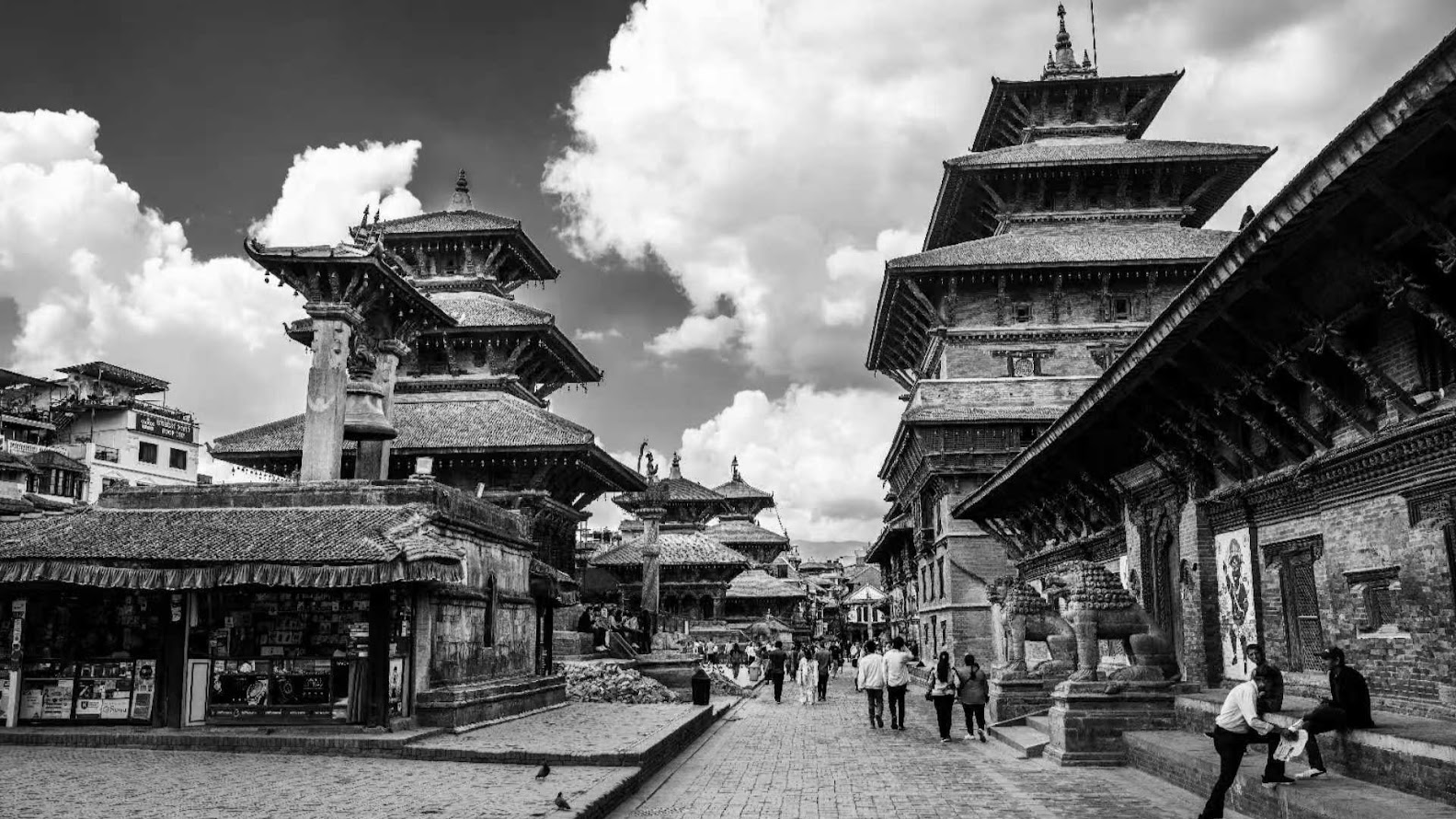
Day 6 – Sankhu Vajrayogini
Travel to Vajrayogini Temple, a sacred hilltop shrine dedicated to Vajrayogini, a tantric deity associated with spiritual transformation and enlightenment. Climb the forested stone steps to reach the temple, performing a spiritual practice in the ascent itself. At the temple, participate in prayers, circumambulate the shrine, and meditate in the serene surroundings, taking in panoramic views of the surrounding hills. Learn about Vajrayogini’s significance in tantric Buddhism and her connection to Guru Rinpoche’s teachings. Return to Kathmandu for overnight.
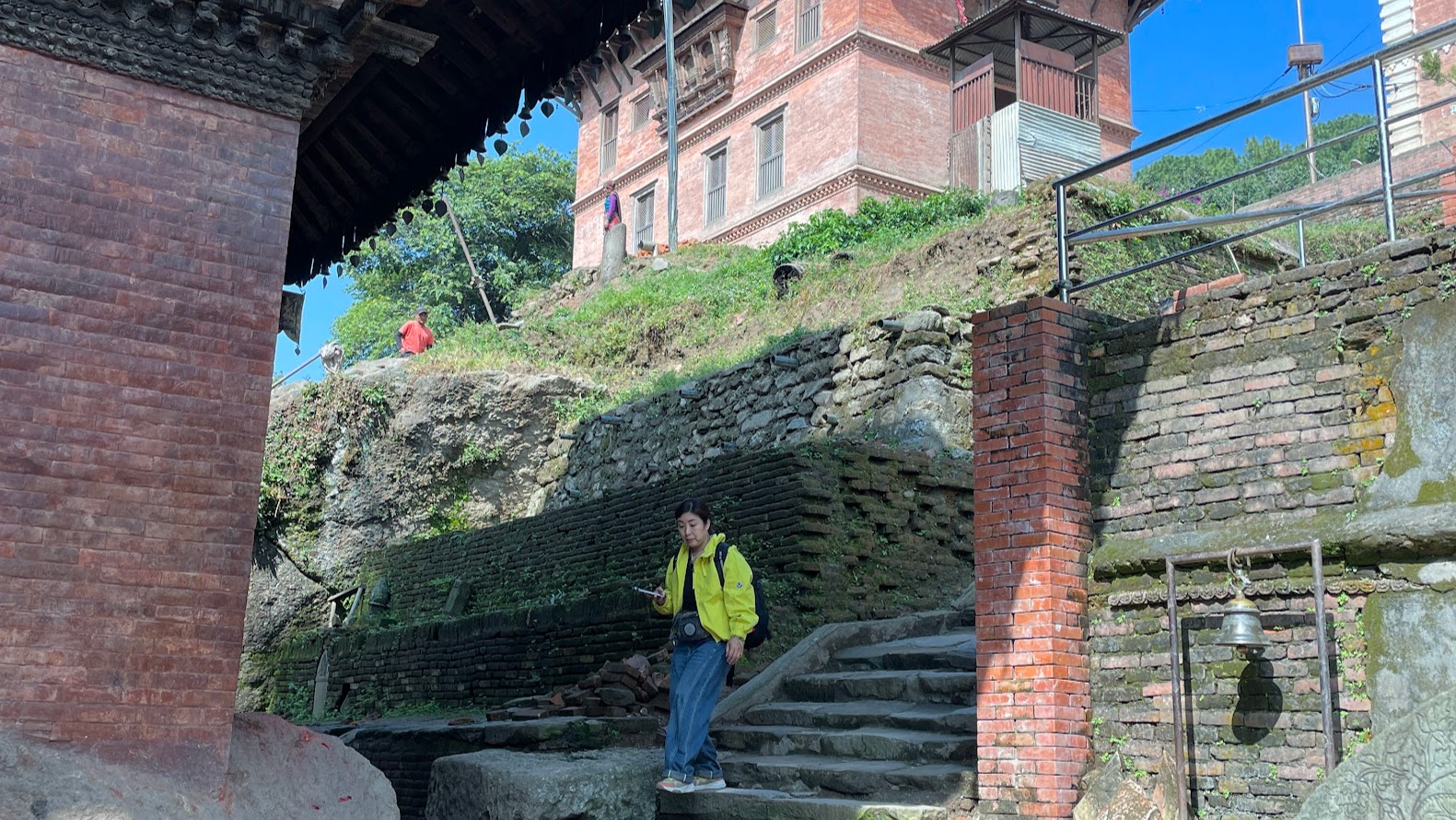
Day 7 – Pharping Pilgrimage
Journey south to Pharping, a major pilgrimage site where Guru Rinpoche practiced in the caves. Visit the Asura Cave and Yanglesho Cave, sacred meditation retreats believed to be where Padmasambhava attained realization. Explore nearby monasteries and retreat centers, observe rituals performed by resident monks, and spend time in meditation or reflection in the quiet Himalayan forest. Overnight in Pharping or return to Kathmandu.
Day 8 – Travel to Halesi
Travel to eastern Nepal to reach Halesi-Maratika Caves, a highly revered Himalayan pilgrimage site. Check into local accommodations and explore nearby natural surroundings. Prepare for the next day’s in-depth exploration of the sacred cave complex, learning about the life and spiritual achievements of Padmasambhava and Princess Mandarava, including their attainment of the long-life realization of Amitayus. Overnight in Halesi.
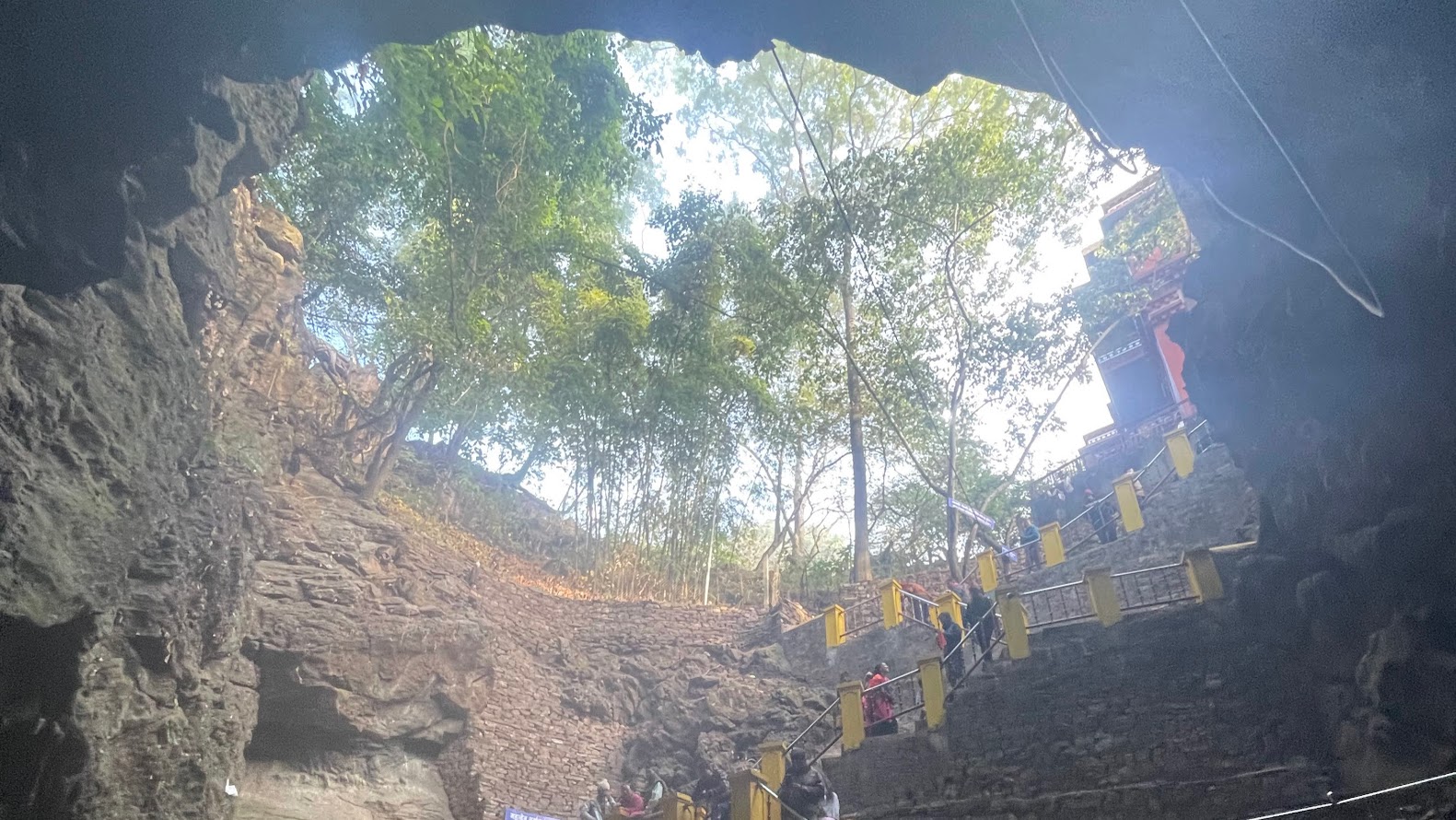
Day 9 – Halesi-Maratika Caves
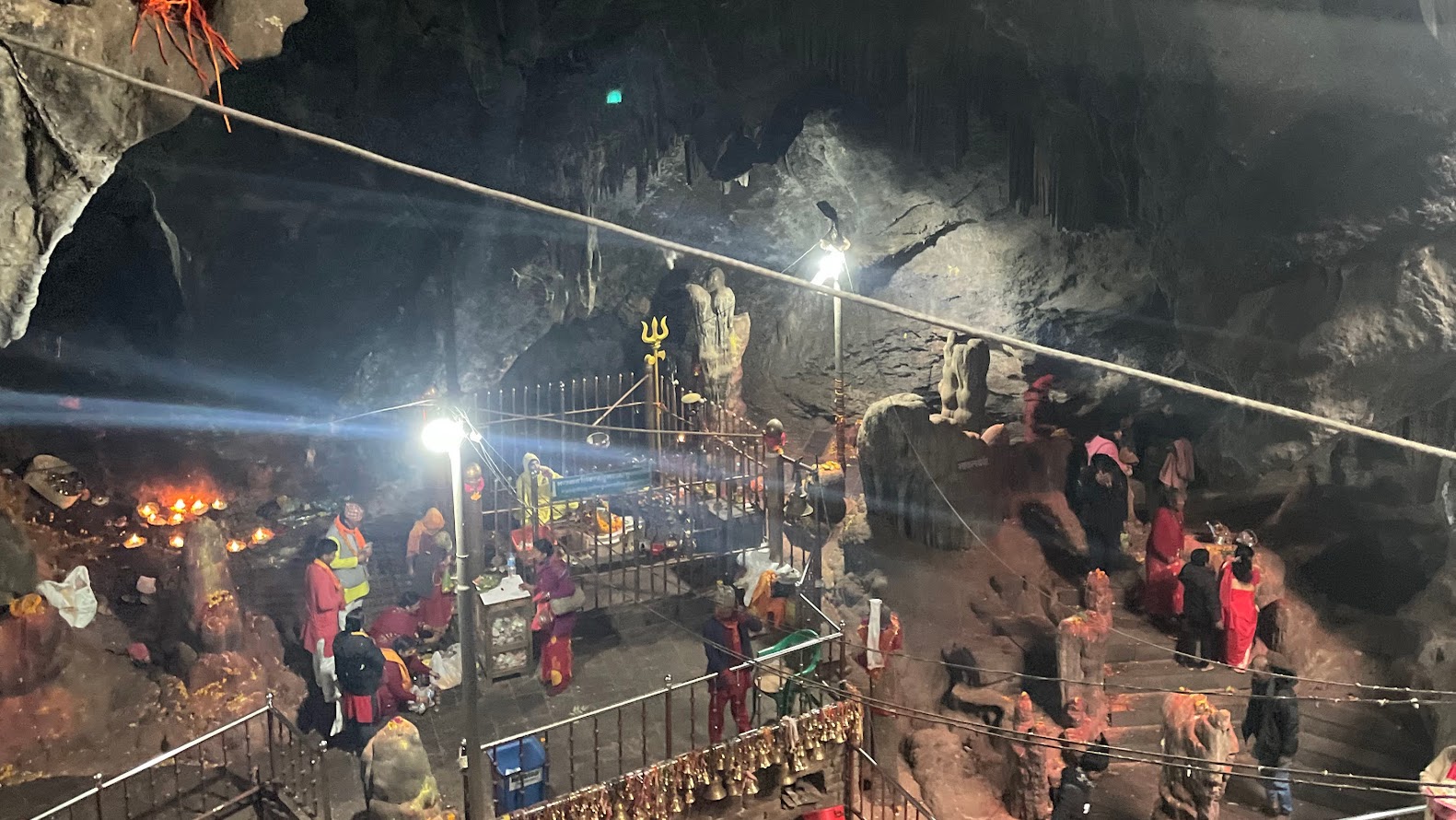
Spend the day fully immersed in the Halesi-Maratika caves, visiting meditation halls, shrines, and sacred caves. Participate in rituals and prayers performed by local monks and devotees. This is a unique opportunity to experience tangible tantric heritage in a Himalayan cave environment, where pilgrims from Nepal, Tibet, and other regions come to practice meditation and devotion. The surroundings are tranquil and spiritually charged, providing a profound pilgrimage experience. Overnight in Halesi.
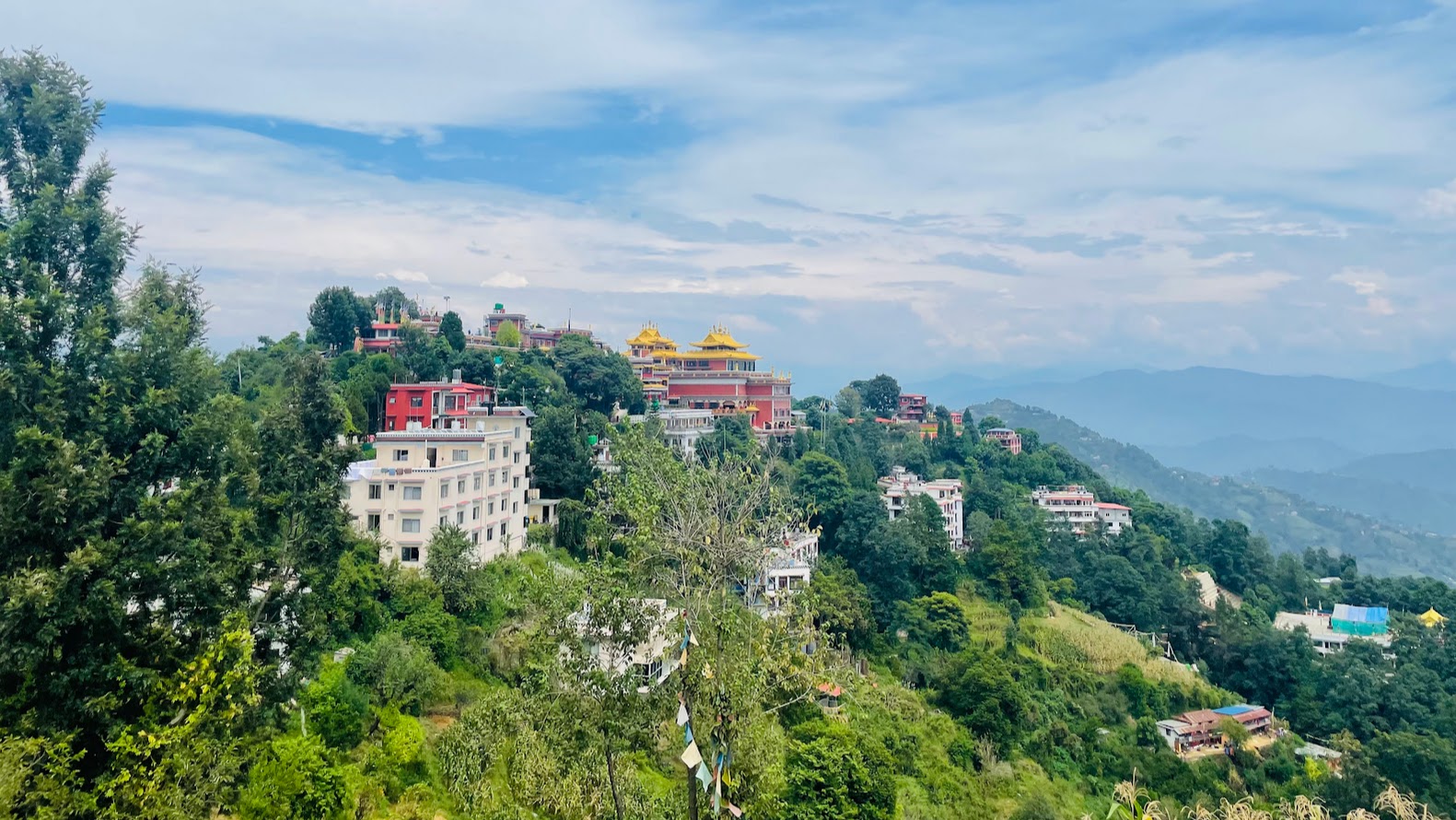
Day 10 – Namo Buddha & Nagarkot
Return toward Kathmandu with a stop at Namo Buddha, a hilltop monastery known for the story of the Buddha’s previous-life act of compassion in offering his body to a starving tigress. Spend time meditating and walking the monastic paths. Continue to Nagarkot, a scenic hilltop renowned for panoramic Himalayan views, including Everest on clear days. Witness sunrise or sunset over the mountains and enjoy a reflective evening before returning to Kathmandu.
Day 11 – Kathmandu & Departure
Spend your final morning at Boudhanath Stupa, performing prayers, circumambulation, and meditation to conclude the pilgrimage. Observe monastic life and soak in the spiritual atmosphere one last time. Transfer to Tribhuvan International Airport for your departure flight, taking with you the experiences, insights, and blessings from a complete spiritual journey across Nepal’s sacred Buddhist sites.
Pilgrimage FAQs
Autumn (September–November) and Spring (March–May) are ideal for clear skies, mild weather, and Himalayan views.
No strenuous trekking is required; moderate walking and temple climbs are manageable for most healthy travelers.
Modest clothing covering shoulders and knees is required; comfortable walking shoes are recommended.
Yes, travel insurance covering medical emergencies and evacuation is strongly recommended.
Daily breakfast is included; other meals and beverages are not included unless specified.
Yes, each site offers time for meditation, prayers, and circumambulation.
The highest point is Nagarkot (~2,175 m); most sites are at moderate elevations and require no special acclimatization.
Photography is allowed at most sites, but some monasteries or caves may restrict photos—always ask first.
Domestic flights (Kathmandu ⇄ Lumbini) are included; road travel is used for other pilgrimage sites.
Yes, a tourist visa is required; it can be obtained on arrival or online.