
Island Peak Climbing
Trip Highlights of Island Peak Climbing
- Climb Island Peak at 6,189 meters with experienced climbing guides.
- Visit Everest Base Camp and hike to Kala Patthar.
- Explore Sherpa villages, forests and high mountain valleys.
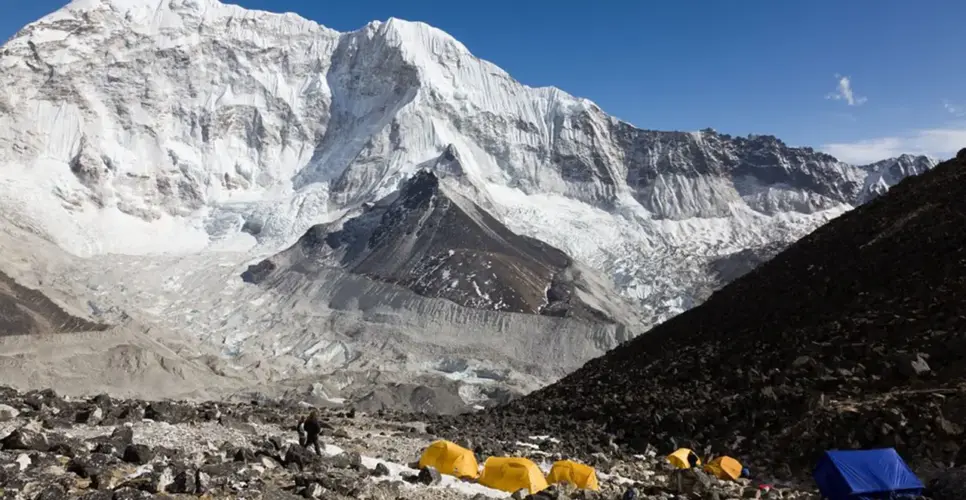
- Complete climbing training at Island Peak Base Camp.
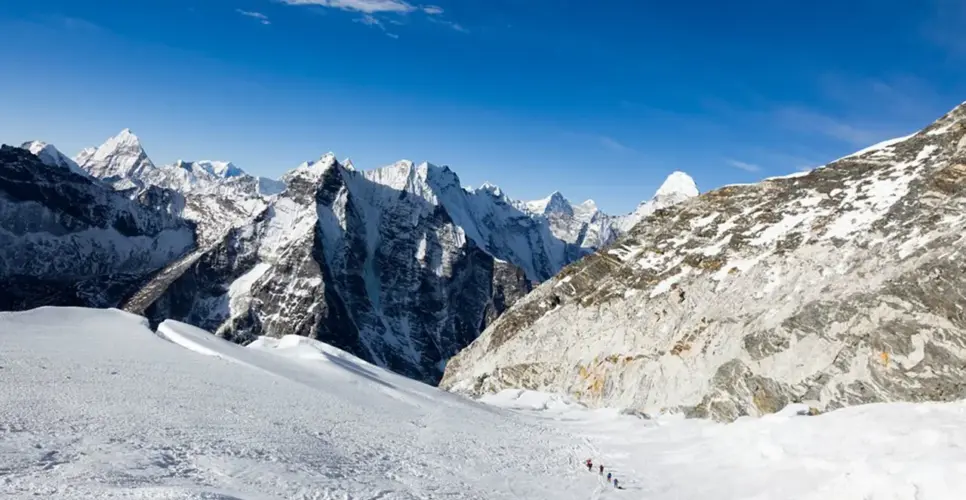
- Cross glaciers and fixed ropes on summit day.
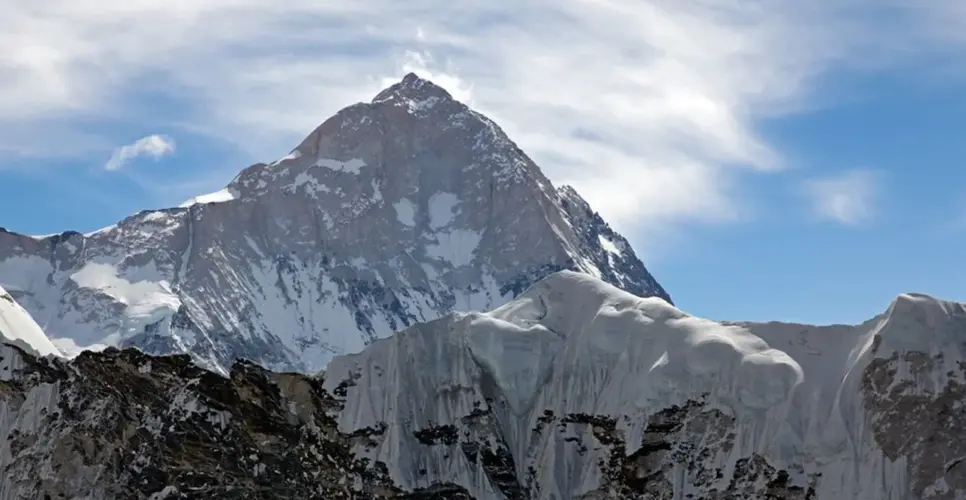
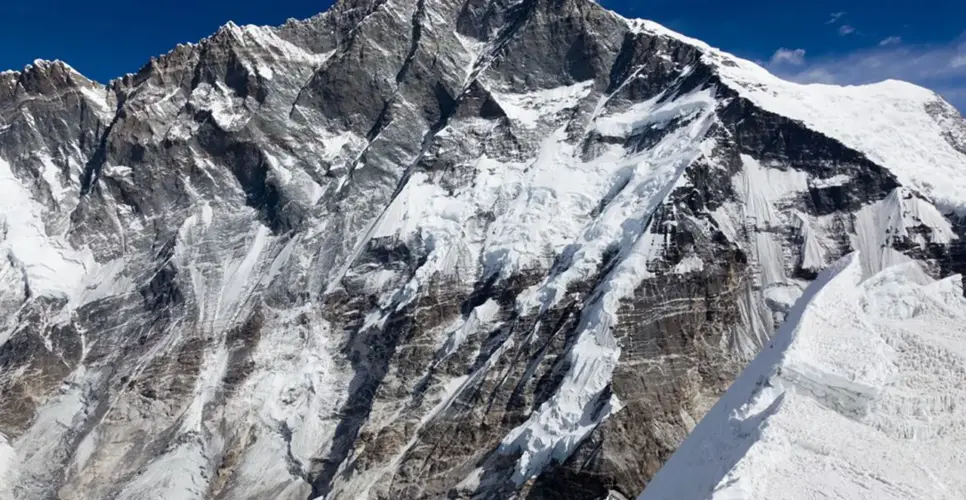
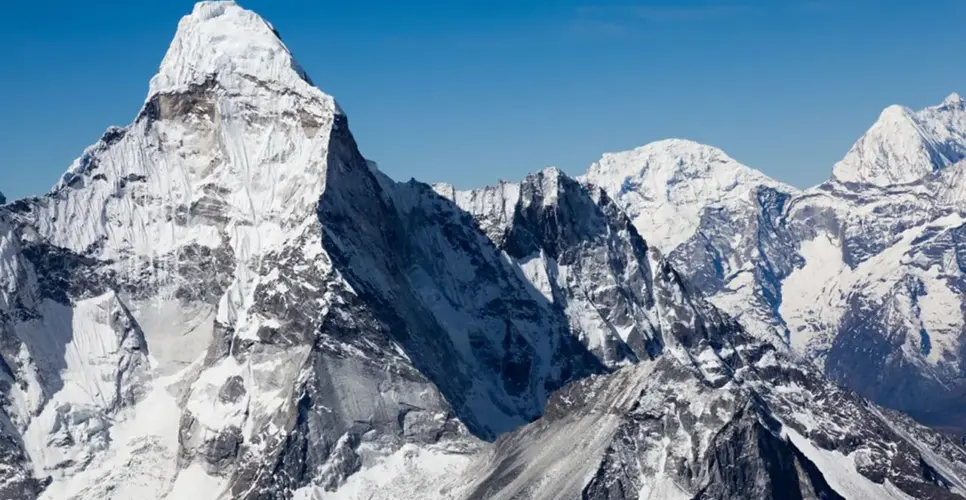
- Have a glimpse of Everest, Lhotse, Ama Dablam, Nuptse and Makalu.
- Properly organized trip with all the assistance of Nepal Wanderlust Treks.
Overview of Island Peak Climbing
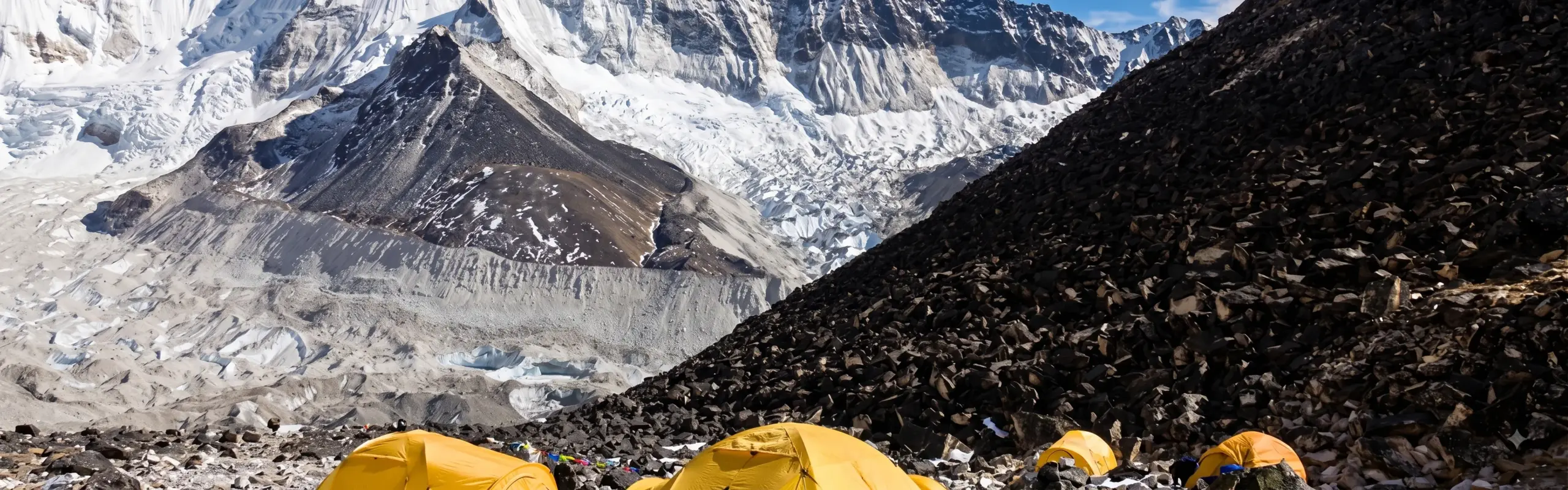
Island Peak Climbing is a 19 day Himalayan adventure that combines the classic Everest Base Camp trek with the challenge of climbing one of Nepal’s most popular trekking peaks. Standing at 6,189 meters, Island Peak offers an exciting introduction to Himalayan mountaineering while rewarding climbers with outstanding views of Mount Everest, Lhotse, Ama Dablam, Nuptse, and many surrounding peaks. The trip is well structured with a gradual acclimatization program to allow time to prepare for the peak.
Our Island Peak Climbing Package will start with your arrival in Kathmandu then sightseeing and preparation of final climbing will take place and then you will take a flight to Lukla. Our journey will follow the famous Everest trail starting with Phakding, Namche Bazaar, Tengboche, Pheriche, Lobuche, Gorak Shep, and Everest Base Camp and then a hike to Kala Patthar to see the sunrise on the Himalayas. From Dingboche, the route leaves the main trekking trail and heads toward Chhukung and Island Peak Base Camp.
A full day at Base Camp is set aside for acclimatization and climbing practice. Our skilled climbing guides will teach us how to wear climbing gear, e.g. crampons, harnesses, ascenders, helmets, and fixed ropes, and they will teach us the techniques required on summit day. This training assists in instilling confidence prior to walking on snow and ice on the high altitudes.
Summit day begins well before sunrise. The ascent will be gradual through rocky terrain, glaciers, and fixed rope trails to the summit of Island Peak. From the top, panoramic views stretch across the Everest region, creating one of the most memorable moments of the expedition. We celebrate the success and safely descend to Base Camp and begin the journey back via Pangboche, Namche Bazaar, and Lukla.
The Island Peak Climbing Itinerary is developed to balance the adventure and the necessary acclimatization in order to provide you with the opportunity to experience both the Everest Base Camp trek and a Himalayan summit during the same expedition. The Island Peak Expedition is a great experience, and with our support team and knowledgeable and certified guides, your climbing experience to the Island Peak will be safe, well organized, and enjoyable throughout.
Itinerary of Island Peak Climbing
Arrival at Kathmandu Airport (1,400m/4,593ft)
When you land at Tribhuvan International Airport we will have a representative who will receive you and take you to your hotel in Kathmandu. Your journey will be followed by time to relax after you have checked in or you can take time to explore the surrounding area at your own pace provided that there is time.
We will have a briefing of the trip in the evening that will introduce the expedition, the itinerary, and examine the much needed climbing equipment. It will also be a good time to ask questions prior to the adventure. Overnight stay in Kathmandu.
Kathmandu Valley Sightseeing and Trip Preparation
Today, we will visit some of the UNESCO World Heritage Sites of Kathmandu Valley such as Pashupatinath Temple, Boudhanath Stupa and Kathmandu Durbar Square. These cultural sites are an excellent introduction to the culture, architecture and religious practices in Nepal.
We will finish the last climbing preparations later, check personal equipment and ensure all is ready to the flight to Lukla. The remaining evening is free to pack and to relax. Overnight in Kathmandu.
Fly from Kathmandu to Lukla (2,860m/9,383ft) and Trek to Phakding (2,610m/8,563ft)
In the early morning, we will take a flight to lukla where our Himalayan journey starts. We will begin our walk through the Sherpa villages, fields and pine forests after meeting our trekking crew and walk along the Dudh Koshi river.
The path is generally smooth and has a number of suspension bridges on the way and it is a comfortable first day of trekking. By afternoon we arrive in Phakding and put up in our teahouse overnight.
Trek from Phakding to Namche Bazaar (3,446m/11,306ft)
After breakfast, we will continue along the Dudh Koshi River, crossing several suspension bridges before entering Sagarmatha National Park at Monjo. The trail then slowly ascends through the woods and along the river leading to the last climb.
The final part is a gradual climb to Namche Bazaar, the trading hub of the Khumbu region. On a clear day, the first distant view of Mount Everest may appear before reaching the town. Overnight stay in Namche Bazaar.
Acclimatization Day. Visit Khumjung Village and Hotel Everest View (3,880m/12,730ft)
Acclimatization is an important part of the expedition, so we will spend the day gaining altitude before returning to Namche Bazaar. The ascent brings one to Hotel Everest View, which is the region where the clear weather allows broad outlooks of Everest, Ama Dablam, Lhotse and other surrounding mountains.
We will then proceeds to Khumjung Village, a traditional Sherpa village with a monastery and local culture. We will spend some time in the village and then go back to Namche Bazaar to spend the night.
Trek from Namche Bazaar to Tengboche (3,860m/12,664ft)
Today, we will leave Namche Bazaar, and we will walk on a scenic route with glimpses of Everest, Lhotse, Ama Dablam and Thamserku. The trail then slowly leads to Phunki Tenga, where we cross the Dudh Koski River and then start an upward climb through the rhododendron and pine trees.
Our last ascent is to Tengboche, the seat of the biggest monastery in Khumbu. If time allows, we can visit the monastery and experience its peaceful surroundings before settling into our teahouse.
Trek from Tengboche to Pheriche (4,200m/13,780ft)
In the morning we will go down through the forest to Deboche and then cross the Imja Khola on a suspension bridge. It then moves on to the Pangboche Village which is among the oldest Sherpa villages in the Everest region, and then enters the open valley.
The higher the elevation, the rockier the landscape with a smaller number of trees and greater mountain scenery. We reach Pheriche by afternoon, where the higher altitude reminds us to take the rest of the day at a relaxed pace.
Trek from Pheriche to Lobuche (4,910m/16,109ft)
The path of today is a slow ascent through alpine terrain with panoramic vistas of the neighboring mountains. On our way to Lobuche, we will go through the Thukla Memorial where we will see monuments of those climbers who perished in the Himalayas.
The road turns steeper beyond the memorial and then it reduces and we come to the village. This is one of the memorable parts of the expedition because of the fresh mountain air and the dramatic scenery. Overnight stay in Lobuche.
Trek from Lobuche to Gorak Shep (5,160m/16,929ft) via Everest Base Camp (5,364m/17,598ft)
We will head to Gorak Shep via rocky glaciers with breakfast. After taking a small break, the expedition proceeds to Everest Base Camp where climbers worldwide gear up to attempt the summit during the climbing season.
We will spend some time at Base Camp, taking photographs, and we will come back to Gorak Shep to spend the night there. This is one of the most rewarding days of the expedition and an important milestone before the Island Peak climb.
Trek from Gorak Shep to Dingboche (4,410m/14,469ft) via Kala Patthar (5,545m/18,192ft)
We will also hike to the top of the trekking route, Kala Patthar, the highest point before sunrise to have a panoramic view of Mount Everest and other Himalayan peaks. The morning light is perfect when it comes to photography.
We will go back to Lobuche and then on to Dingboche after a breakfast at Gorak Shep. The reduced altitude gives the opportunity to rest comfortably and prepare the climbing part of the expedition.
Trek from Dingboche to Chhukung (4,730m/15,518ft)
We will take a slow path through the upper Imja Valley after quitting Dingboche. The path goes through open alpine scenery, where we have clear views of Lhotse, Island Peak, Ama Dablam, and the surrounding mountains and other mountains around it as we head towards Chhukung.
Although the walk is relatively short, the higher elevation calls for a steady pace. Chhukung is the last permanent settlement before Island Peak Base Camp and an ideal place to rest before moving higher.
Trek from Chhukung to Island Peak Base Camp (5,200m/17,060ft)
It is the first day of the climbing part of the expedition. We will leave Chhukung and ascend gradually along rocky trails toward Island Peak Base Camp while enjoying views of the surrounding glaciers and snow covered peaks.
Upon arrival at Base Camp, we will have time to acclimatize ourselves in our tents, as well as to organize climbing gear, and to be ready in the training session on the next day. The remainder of the afternoon is reserved for rest and acclimatization.
Pre Climb Training at Island Peak Base Camp (5,200m/17,060ft)
The day is dedicated to climbing preparation before the summit attempt. Our seasoned climbing team will guide us as we train on the use of crampons, harnesses, helmets, ascenders, fixed ropes and ice axes on the local training slopes.
This session helps improve confidence and allows everyone to become familiar with the climbing equipment. After the training session, we will rest at Base Camp and make our final preparations for the early morning summit attempt.
Climb Island Peak Summit (6,189m/20,305ft) and Return to Base Camp (5,200m/17,060ft)
Our summit day starts long before dawn when we will go up rocky trails, glacier stretches, and fixed ropes as we reach the summit of Island Peak with the help of our guides. The climb requires careful pacing and working as a team.
The summit rewards us with panoramic views of Everest, Lhotse, Nuptse, Makalu, Ama Dablam, and many surrounding Himalayan peaks. Once we have celebrated our success, we will safely descend to Island Peak Base Camp and take a well deserved rest.
Trek from Island Peak Base Camp to Pangboche (3,985m/13,074ft)
We will leave Base Camp after breakfast and make our way down through Chhukung and then turn back to the main trail of the Everest trekking. The scenery is slowly transformed as we lose ground and the stroll becomes easier.
Passing Dingboche and Deboche, we continue to Pangboche, one of the oldest Sherpa villages in the Khumbu region. The reduced altitude is a welcome break after the successful summit climb.
Trek from Pangboche to Namche Bazaar (3,446m/11,306ft)
We will leave Pangboche and go down Deboche and cross the Imja Khola to arrive at Tengboche Monastery. The path goes downhill here to Phunki Tenga and then back to Namche Bazaar, gradually.
The well-trodden path provides an additional opportunity to see Ama Dablam, Everest, and the neighboring mountains. We will arrive at Namche Bazaar where we will be able to rest and have some celebrations of the successful completion of the climbing expedition.
Trek from Namche Bazaar to Lukla (2,860m/9,383ft)
Today, we will retrace our steps along the Dudh Koshi River, passing through Monjo, Jorsalle, Benkar, and Phakding. A number of suspension bridges and easy forest tracks bring us back to Lukla.
The last ascending point until we arrive at Lukla is where our trekking journey would be completed. After arriving, we will thank our trekking crew and enjoy the last evening together in the Everest region.
Fly from Lukla to Kathmandu
An early morning flight takes us back to Kathmandu, offering one last view of the Himalayan landscape. After landing, we will transfer to the hotel, where the rest of the day is free to relax or explore the city at your own pace.
You can also use this period to shop for souvenirs, go to local cafes or you can just spend a comfortable evening once the expedition is over. Overnight stay in Kathmandu.
Final Departure from Kathmandu
Today is the end of your Island Peak expedition. We will also take you to Tribhuvan International Airport depending on your flight schedule, to continue with your travel.
Our team will assist with your departure arrangements and wish you a safe trip home. We hope the memories of trekking through the Everest region and climbing Island Peak will stay with you for years to come.
Includes/Excludes
What's Included?
- Airport arrival and departure transfers by private vehicle.
- Four nights hotel accommodation in Kathmandu with breakfast.
- Guided Kathmandu Valley sightseeing by private vehicle.
- Domestic flights between Kathmandu and Lukla, including airport taxes.
- All standard meals (breakfast, lunch, and dinner) during the trek and climb.
- Twin sharing teahouse accommodation during the trek.
- Fully equipped camping accommodation at Island Peak Base Camp.
- Island Peak climbing permit.
- Sagarmatha National Park Entry Permit.
- Khumbu Pasang Lhamu Rural Municipality Permit.
- Experienced English speaking trekking guide.
- Licensed climbing guide for the summit.
- Porter service (one porter for two trekkers with up to 20 kg total luggage).
- Wages, meals, accommodation, insurance, and equipment for guides and porters.
- Climbing training session at Island Peak Base Camp.
- Group climbing equipment, including fixed ropes and safety gear.
- Comprehensive first aid kit carried by the guide.
- Trekking completion certificate.
- All applicable government taxes and service charges.
What's Excluded?
- International airfare to and from Nepal.
- Nepal entry visa fee.
- Travel insurance covering high altitude trekking, climbing, and emergency helicopter evacuation.
- Personal climbing equipment and trekking gear.
- Personal expenses such as laundry, telephone calls, internet and charging fees.
- Hot showers and drinking water during the trek.
- Alcoholic beverages, soft drinks and bottled beverages.
- Lunch and dinner in Kathmandu.
- Tips for guides, climbing guides, porters and other staff.
- Extra accommodation and meals due to flight delays, weather conditions or personal reasons.
- Costs due to itinerary changes beyond our control.
Essential Information - Island Peak Climbing
Best Time for Island Peak Climbing
Island peak climbing is best done during spring in March to May and autumn in September to November. The months are normally characterized by favorable weather, clear mountain scenery, and good trekking conditions. The spring season is associated with blooming rhododendron forests, whereas the autumn season is characterized by clear skies and great visibility throughout the Everest region.
Winter is also possible to complete the Island Peak Climbing Package, but the snowfall and cold weather make the trip more challenging. The most unfavorable season is summer, as monsoon rain frequently impacts flights to Lukla, forms slippery paths, and diminishes mountain views. Choosing the right season improves both safety and the overall climbing experience.
Island Peak Climbing Difficulty
Island Peak Climbing is considered a moderately challenging expedition that combines high altitude trekking with basic mountaineering. Previous high altitude trekking experience is helpful. and a good physical fitness is highly suggested before joining the climb.
The top path involves crossing glaciers, ropes and snow-covered areas, where mountaineers wear crampons, harnesses, ascenders, helmets, and ice axes. Our guides offer realistic climbing training in Base Camp before the summit attempt and assist you to prepare yourself to all the steps of the Island Peak Expedition.
Accommodation and Meals
In the Island Peak Climbing Itinerary, the comfortable local teahouses are used as the accommodation throughout the trekking route. Rooms are typically twin sharing with simple facilities whereas Island Peak Base Camp is set up as a full-fledged campsite with the assistance of our climbing crew.
The journey is accompanied by freshly prepared breakfast, lunch, and dinner. The majority of teahouses have a menu of Nepali, Tibetan and continental food, although the menu is smaller at higher altitudes. Energy is also essential in the expedition, which can be attained through nutritious meals and hydration.
Transportation
Transportation for the Island Peak Climbing Package begins with a scenic domestic flight between Kathmandu and Lukla. The flights can be made to Ramechhap during busy trekking seasons based on airline schedules and weather conditions.
Airport transfers and Kathmandu sightseeing are done by private vehicle. From Lukla, the journey continues on foot through the Everest region to Island Peak Base Camp, where the climbing section of the expedition begins.
Travel Insurance and Safety
Island Peak Climbing requires travel insurance and must cover trekking and climbing to altitudes over 6,000 meters. Emergency helicopter evacuation, medical treatment, and weather or health related trip interruptions must also be included in your policy.
Your safety is our highest priority throughout the expedition. Our itinerary is well designed and we are acclimatized properly and our guides are very experienced and keep a close check on the state of every climber. In case the schedule should be changed due to weather or elevation, our team will take the decision that puts the safety first and then the summit.
Most Asked Questions by Travellers
The peak of the expedition is the top of Island Peak which is at 6,189 meters above the sea level.
Majority of climbers must be aged 18 years. Younger participants may join with prior experience and parental consent.
Yes. Most of the trekking gear is carried by porters and you can walk with a day pack only.
Yes. Bottled, boiled and filtered drinking water is available at most of the teahouses for additional cost.
Hot showers are available at many teahouses for an extra charge, although they may not be available at higher elevations or Base Camp.
In most villages cell coverage is good, but at increased altitudes, it becomes restricted. Wi-Fi is also available at some teahouses for an additional fee.
Yes. You can also extend your trip and visit other parts of Nepal before or after the expedition. We can organize additional travel arrangements if needed.
Mountain weather often causes delays to flights. If this happens, our team will make the necessary changes and help you throughout the process.
Reviews on Island Peak Climbing
Be first to post a review in this trip.